We use blower door testing and thermal imaging to locate hidden air leaks and pressure imbalances, ensuring every problem area is identified for sealing.
Our experts seal attic hatches, recessed lighting, and duct boots using spray foam, caulk, and weatherstripping to cut energy costs and boost comfort.
We carefully seal and retest duct leaks to improve airflow and HVAC efficiency, helping your system run smoothly and saving you money on energy bills.
After all sealing work is complete, we conduct a final airflow test and walkthrough to confirm improved comfort, efficiency, and overall indoor performance.
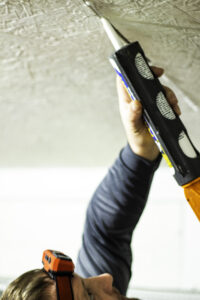
Air sealing is one of the best ways to make your home more comfortable and efficient. It stops drafts, cuts energy waste, and helps your HVAC system perform at its best all year long.
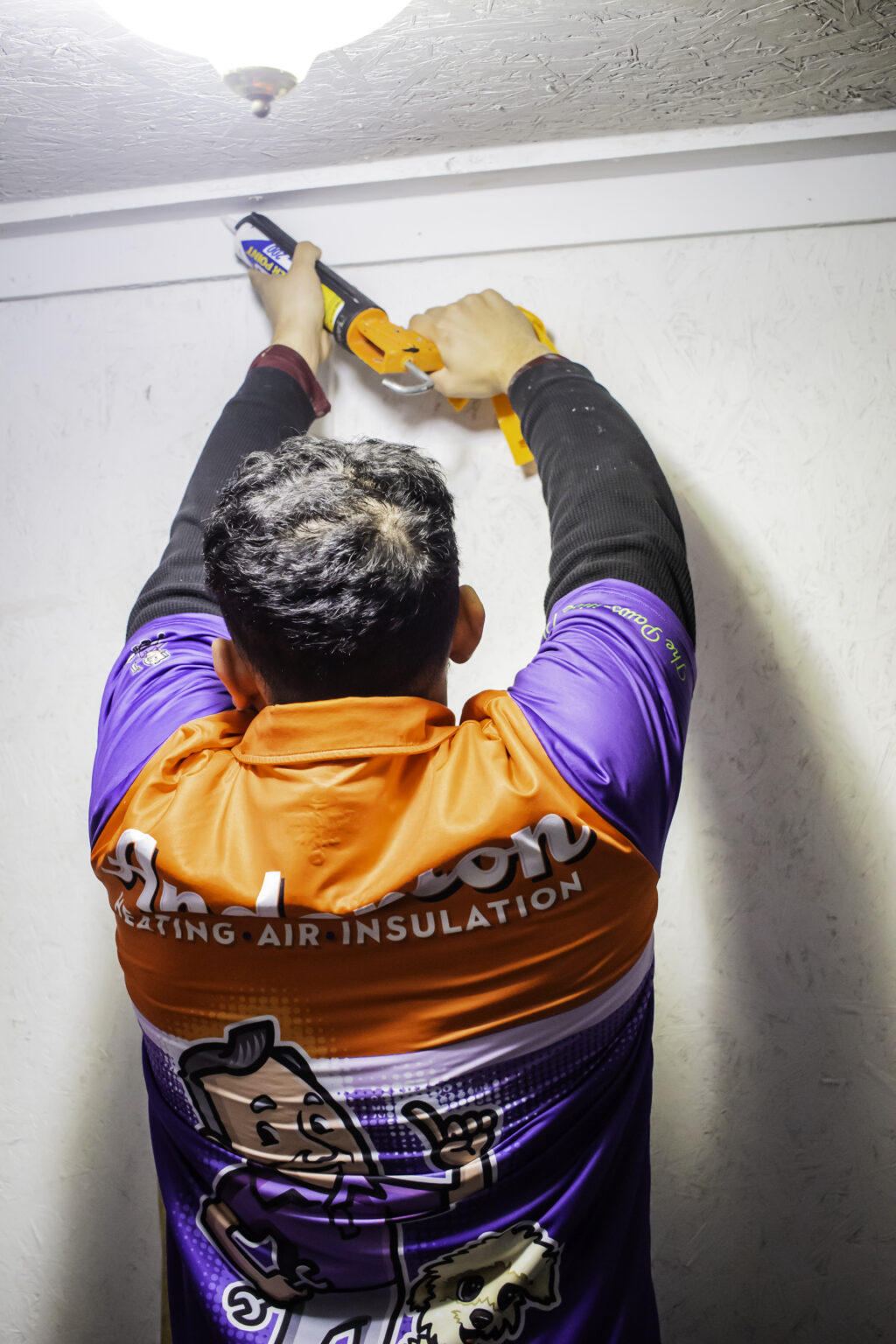
Air sealing keeps your home comfortable, quiet, and energy-efficient. It stops drafts, saves money, and improves indoor air quality year-round.
Sealing leaks around windows and doors blocks drafts, keeping rooms warm in winter and cool in summer for better comfort.
Closing cracks in your home’s envelope cuts wasted energy, helping HVAC systems work efficiently and lowering monthly bills.
Proper air sealing keeps temperatures consistent, reduces noise, and enhances indoor air quality for a healthier home.
By sealing ductwork, attics, and foundations, you use less energy and enjoy lasting savings on utility bills.
Proper air tightness lets insulation and HVAC systems perform efficiently, reducing energy loss, cutting bills, and improving comfort year-round.
A blower door test detects hidden air leaks in walls, attics, and ducts, helping seal gaps to boost energy efficiency and indoor comfort.
A comprehensive air sealing project targets every gap and crack in your home to improve comfort, reduce energy waste, and create a healthier, more efficient living space.
Seal cracks or openings in insulation using high-quality sealant to block leaks, prevent airflow, and improve overall insulation effectiveness.
Apply caulk to wall, ceiling, and floor joints to form a continuous air barrier that stops drafts and boosts energy efficiency.
Use caulk or spray foam to seal around plumbing lines, electrical wiring, and ductwork penetrations, reducing unwanted air exchange.
Install durable weatherstripping to block drafts, prevent heat loss, and maintain comfortable indoor temperatures year-round.
Add flexible door gaskets to the bottoms of exterior doors and thresholds to stop air leaks and improve energy efficiency.
For bigger openings, use expanding foam or strong sealants to fill and close gaps, ensuring airtight protection throughout your home.
Install foam gaskets behind outlets and switch plates to reduce hidden air leaks and improve your home’s overall energy performance.
Use fire-resistant materials, such as furnace cement or metal flashing, to safely seal gaps around furnaces, chimneys, and water heaters.
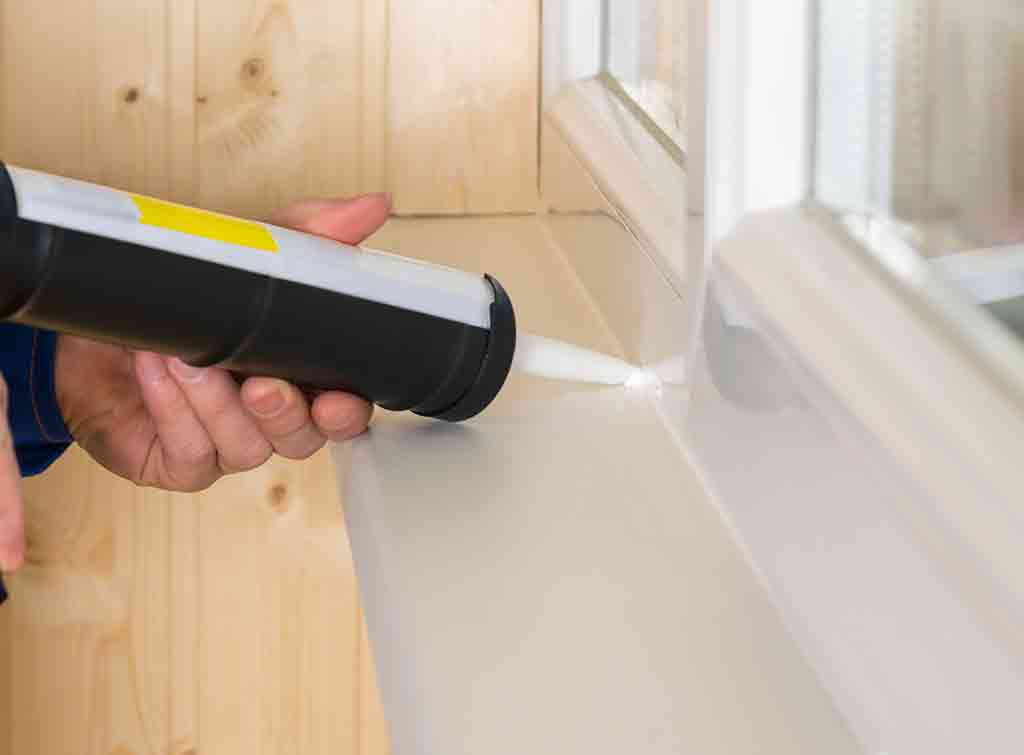
Weather stripping and foam gaskets are simple but powerful tools for improving home efficiency. When installed around exterior doors and windows, they create a tight seal that blocks outside air and prevents drafts.
These seals stop heat from escaping in winter and keep cool air inside during summer, helping maintain consistent indoor temperatures. By reducing the workload on your HVAC system, weather stripping and foam gaskets can lower energy bills and improve comfort year-round.
They also help keep dust, pollen, and noise out, creating a quieter, cleaner, and more comfortable living environment while boosting your home’s energy performance.
Beyond Air Sealing Services & Home Efficiency, our company offers additional services for homes and businesses

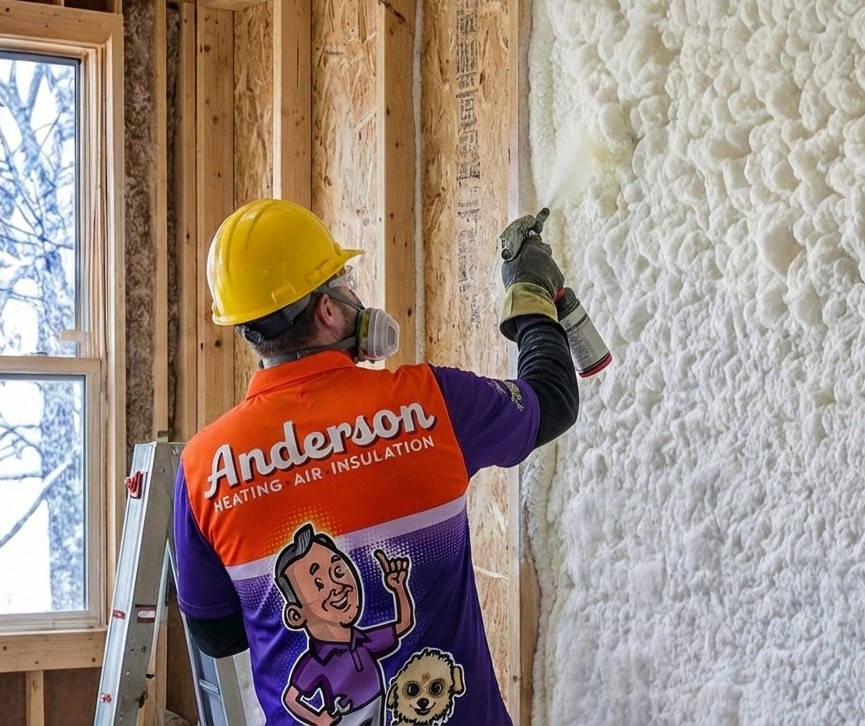
Spray foam insulation plays a major role in creating an airtight, energy-efficient home. It expands quickly to fill cracks and gaps around wiring, plumbing, and framing areas where traditional insulation often misses. By forming a tight seal, spray foam blocks air leaks that cause drafts and heat loss.
This airtight barrier improves overall insulation performance, helping your HVAC system work more efficiently. It keeps warm air inside during winter and cool air in during summer, maintaining steady indoor temperatures year-round.
Air sealing contributes to a healthier indoor environment by reducing the influx of pollutants, allergens, and humid air. Combined with proper ventilation, air sealing ensures that natural airflow helps prevent indoor air quality issues and moisture buildup.Our air sealing services are available throughout Northwest
Air sealing is one of the most cost-effective ways to save energy and improve your home’s energy efficiency in any existing home. Homeowners can significantly reduce heat loss and improve heating and cooling performance by identifying and addressing air leaks throughout the building envelope. At Anderson Heating, Air & Insulation, we prioritize targeted air sealing measures that increase comfort and deliver long-term energy savings.
The average home can leak air through dozens of small openings, which can significantly affect indoor air quality and comfort. These include gaps in exterior doors, window frames, electrical outlets, and even switch plates. Uncontrolled air leakage allows cold air and outside air to enter while heated or cooled air escapes, forcing HVAC systems to work harder and increasing energy costs. Our team helps you seal these leaks effectively to maintain consistent indoor temperatures.
Key problem areas in the building envelope include places such as rim joists, attic entrance hatches, crawl spaces, basements, and the attic foundation. These areas often have dirty spots that indicate air movement. By sealing cracks, open seams, and other gaps, Anderson Heating, Air & Insulation improves air tightness and reduces air leakage significantly.
Spray foam is one of the most versatile air-sealing techniques we use. It expands to fill gaps around electrical wiring, plumbing penetrations, and framing. Ideal for filling cracks and large voids, spray foam reduces air leaks and adds insulation value, making your home more power efficient and helping to save energy throughout the year.
A blower door test is a diagnostic tool we use to detect where homes leak air. This test helps us identify the exact locations of air infiltration and develop an effective air sealing strategy. Whether you’re working on new construction or improving a current home, this test ensures that all significant air leaks are addressed.
Air tightness is crucial to maximizing the performance of insulation and HVAC systems. Without proper sealing, insulation cannot function efficiently, leading to heat loss and inconsistent temperatures. At Anderson Heating, Air & Insulation, we focus on improving the air tightness of your home to ensure better indoor comfort and lower energy bills.
Uncontrolled airflow through cracks and gaps allows humid air to enter wall cavities and attics, which can lead to moisture problems and mold and mildew growth. Air sealing stops this movement, protecting your home from costly moisture issues. In turn, this helps maintain a healthier indoor environment.
Sealing the basement is crucial for improving energy efficiency, as it is often a major source of air leaks. Crawl spaces, basements, and rim joists are often overlooked in air sealing tasks. These areas can leak air, increasing drafts and cold spots. We dramatically reduce heat loss and improve energy efficiency by sealing cracks in these regions with spray foam or metal and foil tape.
The attic floor and access hatches are notorious for leaking air. Warm air naturally rises, and if these areas are not properly sealed, energy loss is inevitable. We install bubble gaskets, weather stripping, and insulation around attic access hatches to stop air leakage and improve comfort.
Exterior doors and window frames are common areas where air leaks occur. Installing high-quality weather stripping and bubble gaskets is a simple yet effective way to seal air leaks and prevent cold air from entering your home. These air sealing measures help maintain comfortable indoor conditions year-round.
Tiny gaps around electrical outlets, switch plates, and wiring allow significant air leakage over time. We install bubble gaskets behind outlet covers and use caulk or spray foam to seal wiring penetrations. These small adjustments make a huge impact on the overall energy efficiency of your home.
When you seal air leaks, you reduce the workload on your hvac system, allowing your heating and cooling systems operate more efficiently. Less energy is needed to maintain a comfortable temperature, reducing wear and tear on your HVAC units. This can lead to longer equipment life, fewer repairs, and noticeable energy savings.
Fireplace flues and chimneys often have loose seams that leak air and allow moisture to enter. Using fire-resistant materials such as sheet metal, furnace cement, or specialized caulks, we seal these problem areas safely and effectively, keeping your home warm and fuel-efficient.
Spray foam isn’t always the answer in areas exposed to high temperatures or irregular shapes. We use sheet metal and foil tape to cover large or awkward gaps, especially around mechanical penetrations and ductwork. These materials offer long-lasting, secure seals that withstand temperature changes and moisture.
Seal gaps around outlets and wiring using caulk, foam, or outlet gaskets to stop drafts, improve efficiency, and maintain indoor comfort.
Air leaks around doors, windows, and outlets let outside air in and conditioned air out, making HVAC systems work harder and raising energy costs.
Air sealing blocks humid air from entering walls and crawl spaces, reducing condensation, mold, and mildew while keeping your home clean and healthy.
Air sealing reduces drafts and leaks, helping HVAC systems run efficiently, use less energy, last longer, and lower monthly utility bills.
Warm air rises and escapes through unsealed attic areas. Adding gaskets, insulation, and weatherstripping prevents heat loss and boosts efficiency.
Common air leaks occur in rim joists, attics, crawl spaces, and basements. Sealing these gaps improves comfort, efficiency, and temperature control year-round.
Seal open seams around flues and chimneys with fire-resistant materials like furnace cement or metal flashing to prevent heat loss and improve safety.
They create durable, heat-resistant seals around ducts, vents, and penetrations, boosting energy efficiency and system durability.

Contact Anderson Heating, Air & Insulation today to schedule your complimentary air sealing assessment.
Your trusted local team for reliable heating, cooling, and home insulation services. We keep your home comfortable, energy-efficient, and safe all year round.
© 2025 johnanderson service. All Rights Reserved.