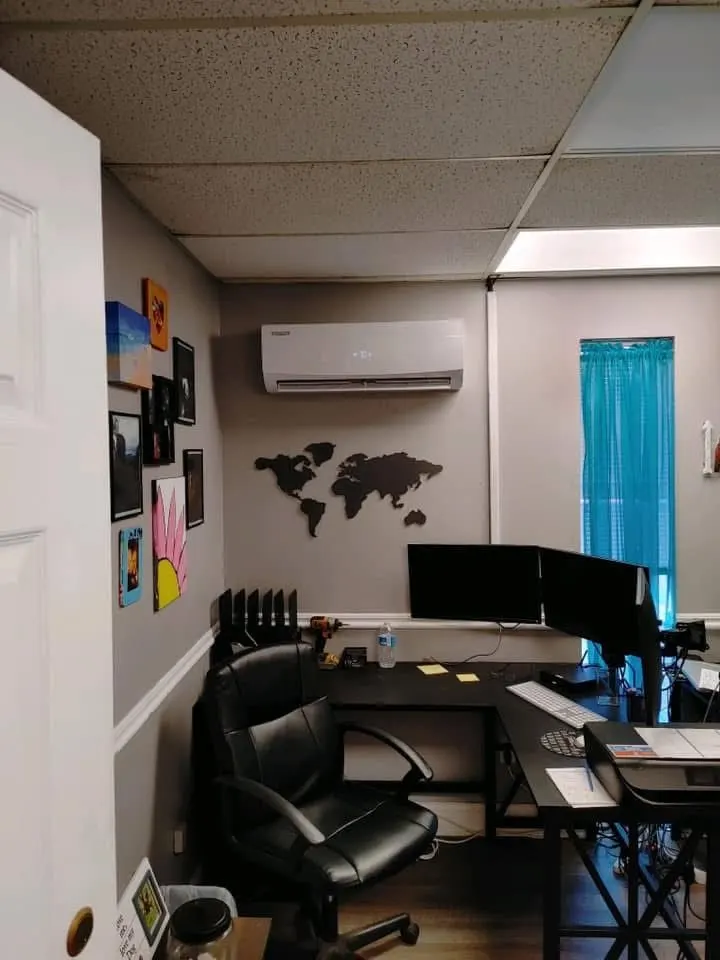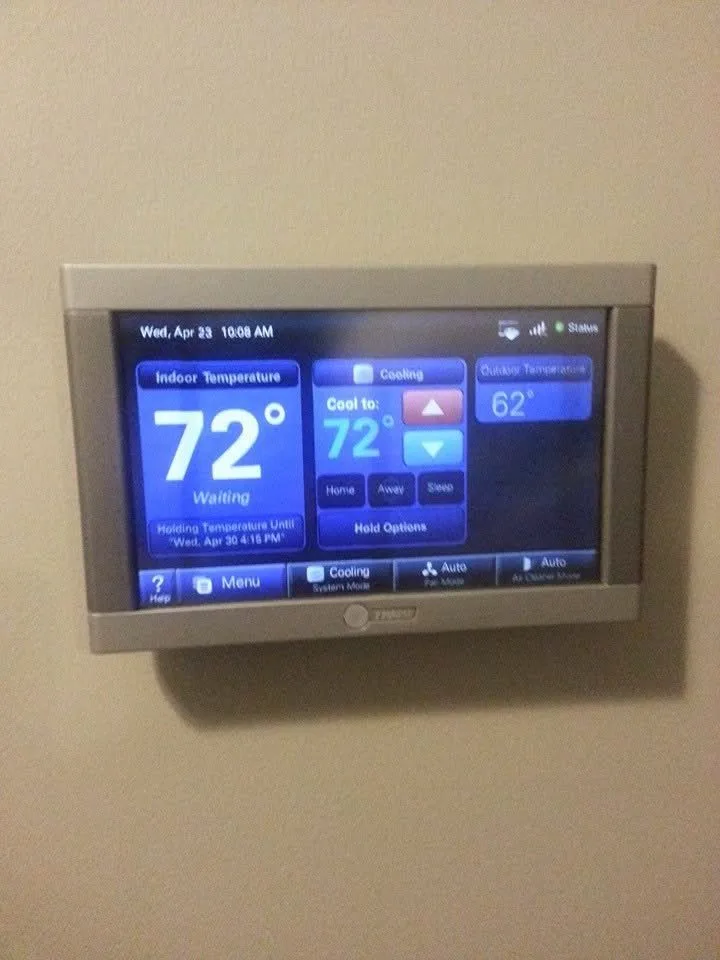
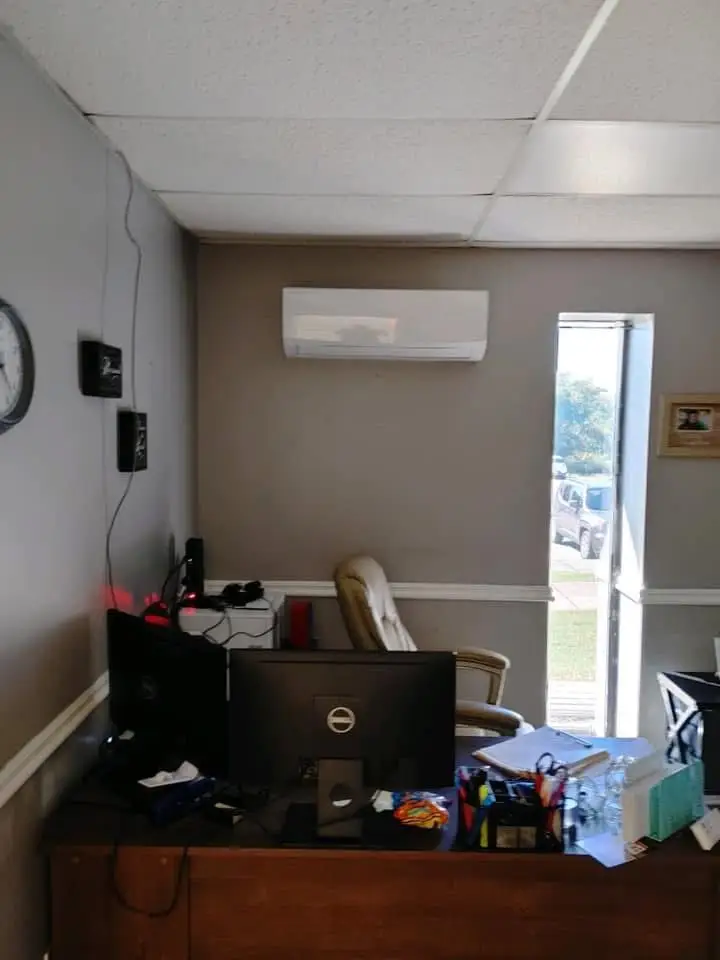

SEER2 (Seasonal Energy Efficiency Ratio 2) is the current efficiency rating for ACs and heat pumps — higher means less electricity for the same cooling. But the nameplate number only happens if the system is installed and ducted correctly. A perfectly installed 17-SEER2 system beats a 20-SEER2 unit bolted onto leaky ducts and a wrong charge. The most common reason an 'efficient' AC still gives high bills is the house and the install around it — which is exactly what Anderson measures.
What the SEER2 number actually tells you
SEER2 stands for Seasonal Energy Efficiency Ratio 2. It's the amount of cooling a system delivers over a season divided by the electricity it uses — so a higher SEER2 means more cooling per kilowatt. It replaced the old SEER rating in 2023, and it's tested under tougher, more realistic airflow conditions. That's why a SEER2 number looks a little lower than the old SEER for the same equipment: the unit didn't get worse, the test got more honest.
As a way to compare two units side by side, SEER2 is genuinely useful. The trap is treating it as a guarantee of your power bill. It isn't.
Why the sticker number often doesn't show up on your bill
A SEER2 rating is measured in a lab, with the equipment perfectly charged and perfectly ducted. Your house is not a lab. Three things routinely steal the efficiency you paid for:
- Leaky ducts. A typical home loses 20-30% of its conditioned air to duct leaks — often into a hot attic or crawlspace. You're paying premium efficiency to cool the wrong space.
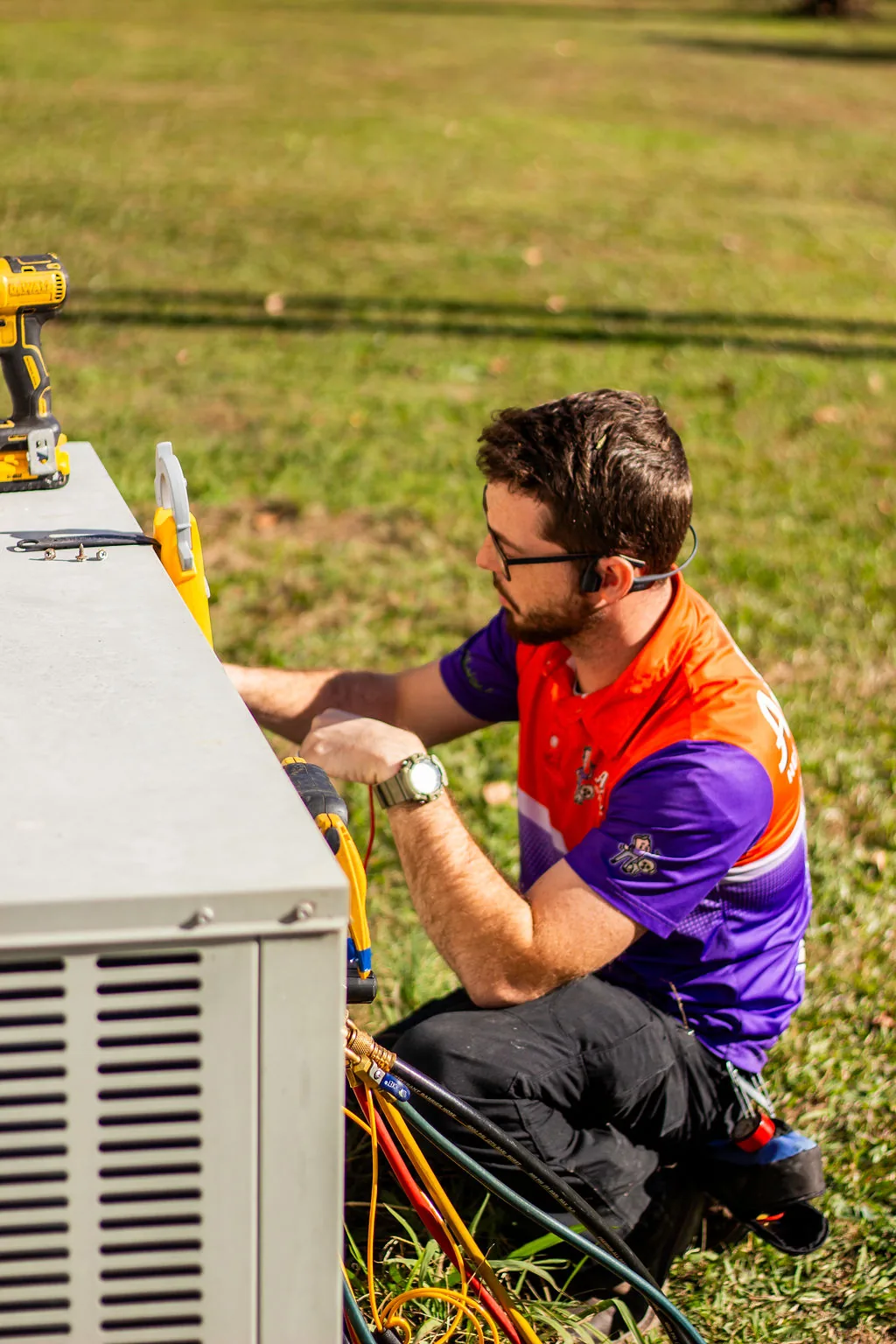
- Wrong refrigerant charge. A system even slightly low or high on charge runs well off its rated efficiency, every hour it operates.
- Oversizing and short-cycling. An oversized unit never runs long enough to hit its efficient steady-state — it's all stop-and-start, which is the least efficient way to run.
This is the most common surprise we fix in Calhoun homes: the new, high-SEER2 equipment is perfectly fine, but the ducts, the charge, or the sizing around it are bleeding the savings away. The bill stays high and the homeowner blames the unit.
Is a higher SEER2 worth it? The honest sweet spot
Not automatically. Higher SEER2 costs more up front, and the payback depends on how much you run it, your electricity rate, and whether the install is done right. There's a sweet spot for each home — enough efficiency to lower your bill meaningfully without paying for more than you'll recoup. We help you find that number for your actual usage, instead of selling you the biggest one on the shelf.
Why measuring is the real efficiency lever
Anderson is a building-science company with six blower doors and six duct blasters. We measure how much air your home and ducts leak, verify the charge, and right-size the equipment — so the efficiency on the sticker actually shows up on your bill. Founder John Anderson got into this exactly because customers kept telling him their new units were in but the power bill was still sky-high. The answer was almost never the box — it was the house around it.