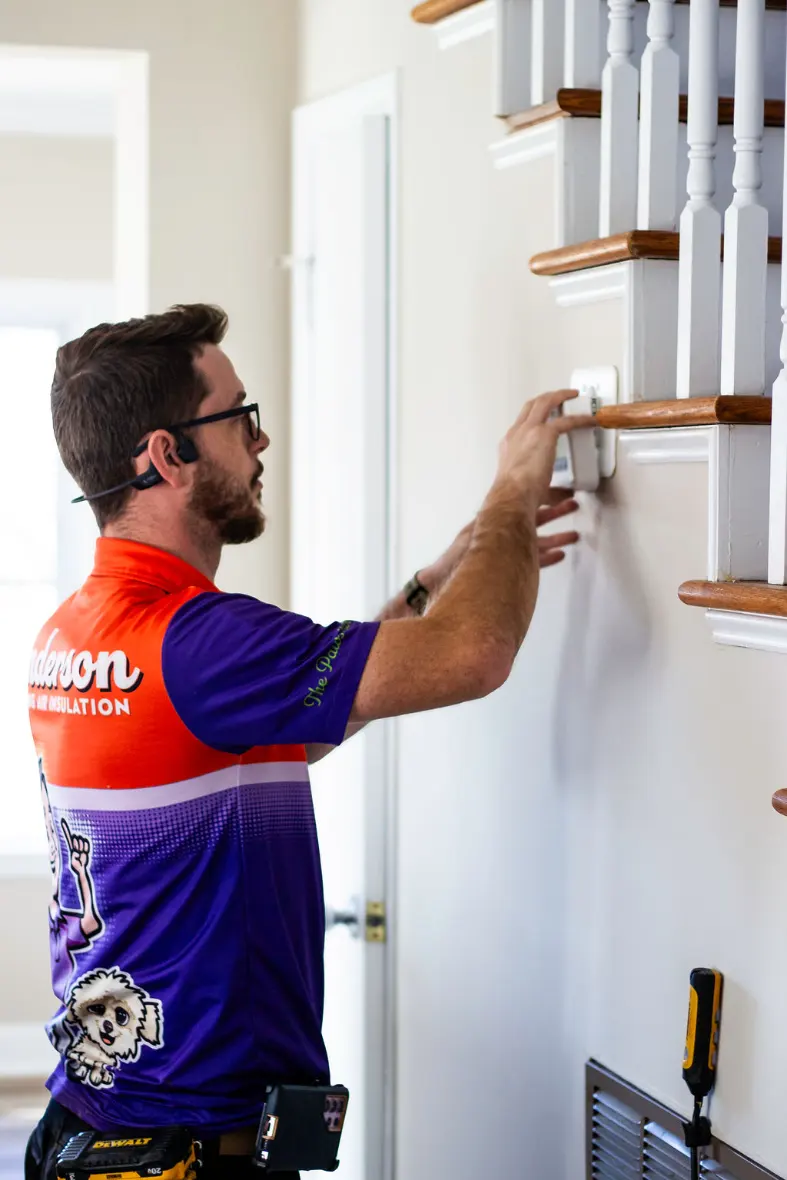



Do three things yourself: replace the air filter, clear the area around the furnace, and run the heat for a few minutes on a mild fall day so you find problems early instead of on the first freezing night. Then have a pro handle the rest — cleaning the burners, checking the blower and electrical connections, testing the safety controls, and inspecting the heat exchanger and flue (the safety-critical step where a carbon-monoxide problem would show up). In North GA, schedule the professional tune-up in early fall so any repair happens on a planned visit, not an emergency.
What you can do yourself
A few simple steps make a real difference and take only minutes:
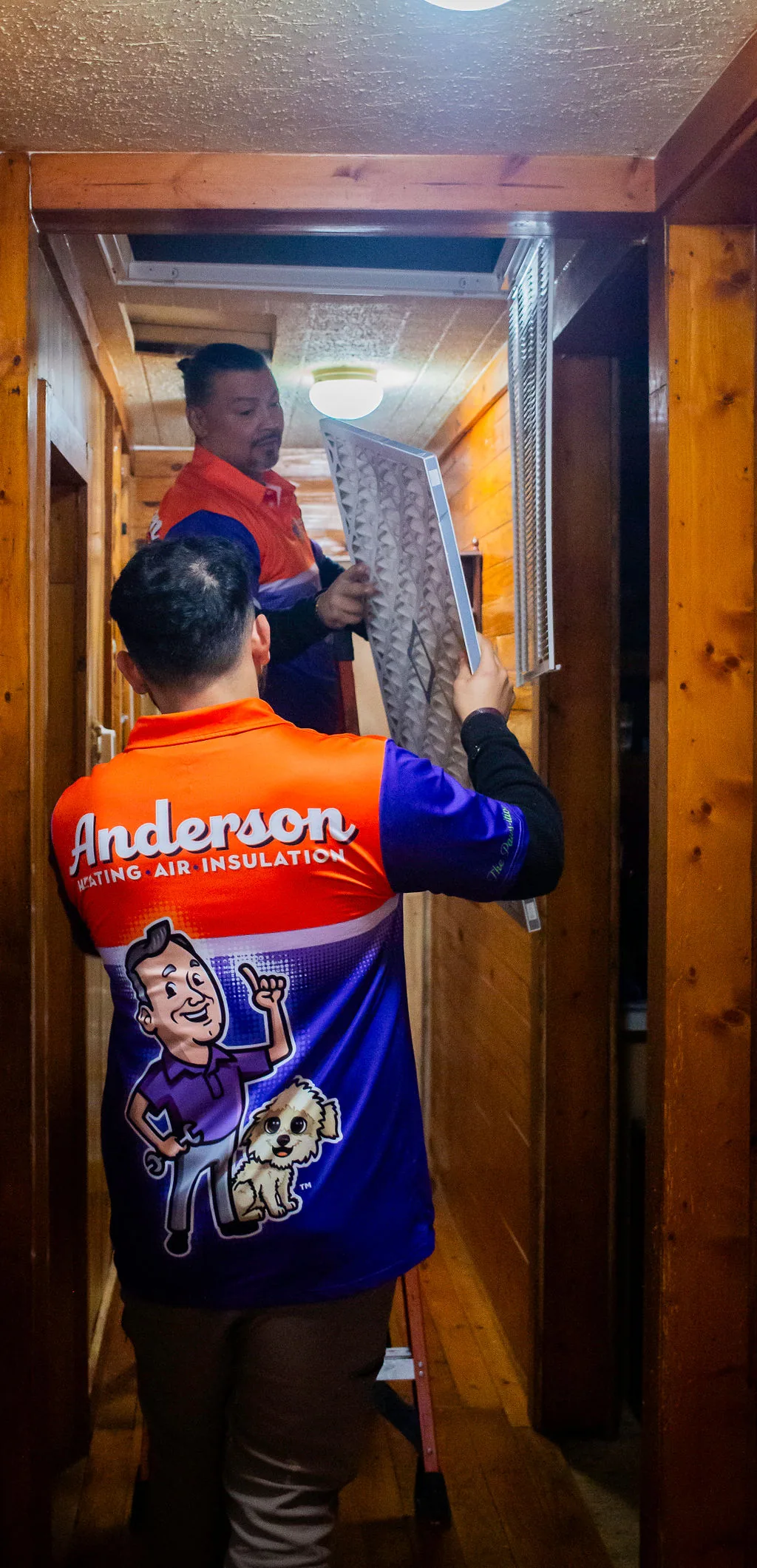
- Replace the air filter. A clogged filter chokes airflow, makes the furnace work harder, and worsens the dust smell on first start-up. Start the season with a fresh one and check it monthly through winter.
- Clear the area around the furnace. Move stored boxes, paint cans, and anything flammable away from the unit. The furnace needs clearance and clean combustion air.
- Test-run the heat early. On a mild day in fall, turn the heat on and let it run a few minutes. If it won't start, cycles oddly, or smells wrong, you've found the problem on your schedule — not on a freezing night in January.
- Check your CO detectors. Confirm carbon-monoxide detectors are present on every level and have fresh batteries. This is the cheapest, most important safety step in the whole list.
- Confirm the thermostat works. If you have a programmable or smart thermostat, set it for the heating season and make sure it's calling for heat correctly.
What to leave to a professional
The rest of the checklist needs tools, training, and a trained eye. A professional pre-season tune-up covers:
- Burner cleaning and combustion check — so the furnace fires cleanly and efficiently.
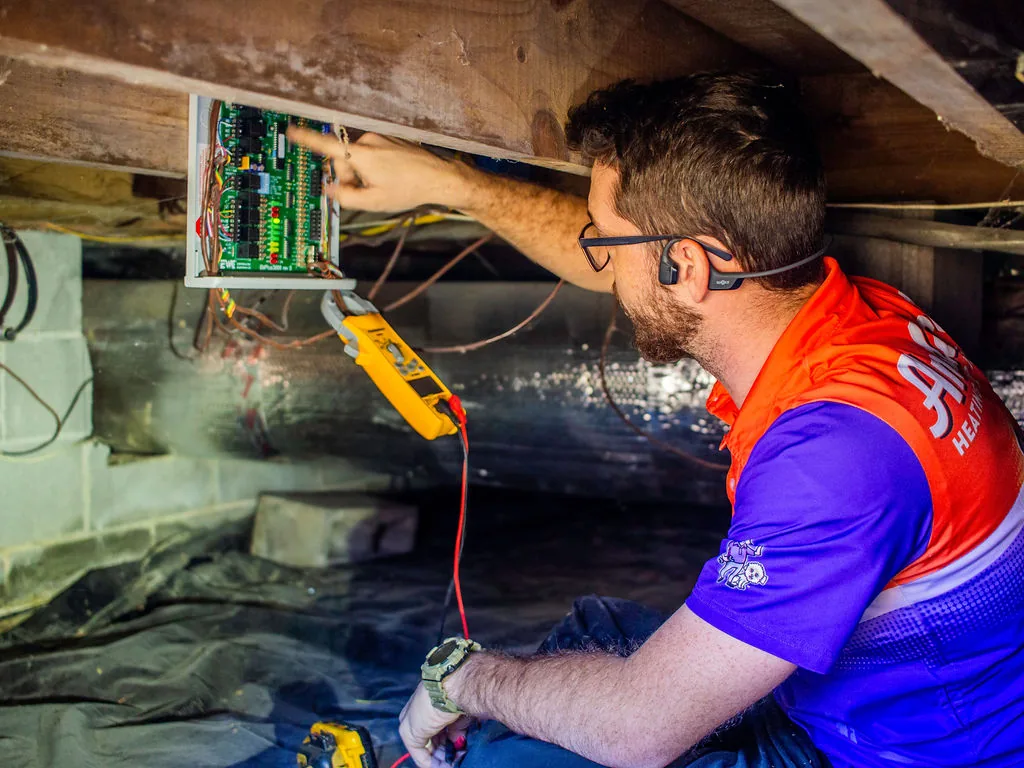
- Blower motor and electrical inspection — loose connections and a struggling blower are common cold-night failure points.
- Safety control testing — the limit switches and flame sensors that shut the unit down safely if something goes wrong.
- Heat-exchanger and flue inspection — the safety-critical step, covered next.
Why the heat-exchanger inspection is non-negotiable
The heat exchanger is the metal barrier that keeps the air you breathe separate from the furnace's combustion gases. If it cracks, those gases — including carbon monoxide — can leak into your home's air. Because CO is colorless and odorless, a hands-on inspection of the heat exchanger and flue is the only reliable way to catch a crack before it becomes a danger. This is the core reason a gas furnace needs a real professional check each year, not just a DIY filter change. It's why we treat the pre-season visit as a safety inspection first and a performance tune-up second.
Why early fall is the right time
Scheduling in September or October means that if your furnace needs a part or a heating repair, it gets handled on a calm, planned visit — not as an emergency on the coldest night when everyone in North GA is calling at once. Waiting until the system fails in deep winter is the most expensive, least comfortable way to maintain a furnace. The whole point of a checklist is to move the surprise out of the way before the cold arrives.
The Anderson approach: measure, don't guess
We're a BPI-certified building-science company, so a furnace visit with us isn't just a quick once-over. We look at the whole system — and if your home is hard to keep warm, we can use a blower door to find where heat is escaping, rather than just turning the furnace up. A warm house is a combination of a healthy furnace and a tight, well-insulated home, and we look at both. If a smell or noise has you worried, our guide to why your heater smells when it first turns on tells you what's normal and what isn't.