


The building-science truth: ducts are a system, not an afterthought
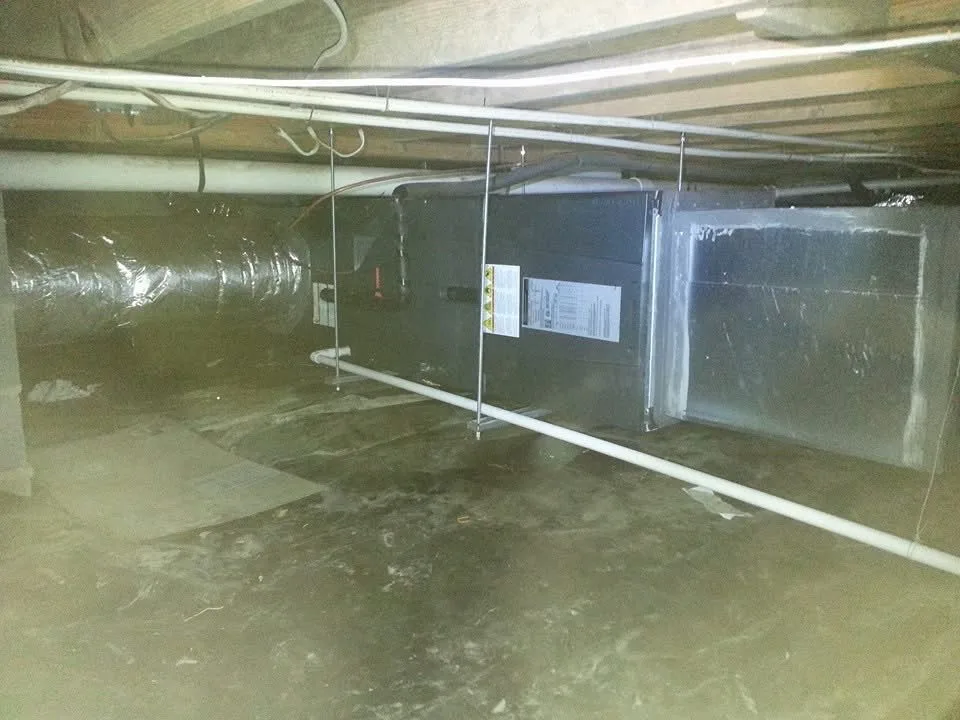
Most homeowners think about the box outside and the thermostat inside, and never about the ductwork in between. But the ducts are how the air actually gets to your rooms — and they're full of joints, seams, boots, and connections that can leak. When ducts run through an unconditioned attic or crawlspace (as most do in this area), every leak in the supply side pushes air you paid to condition into a space you never occupy, and every leak on the return side pulls hot attic or musty crawlspace air into the system. You end up paying to cool your attic and breathe your crawlspace.
The U.S. Department of Energy puts typical duct losses at roughly 20–30% of the air moving through the system. That's not a rounding error — it's a meaningful chunk of every heating and cooling dollar, leaking quietly, year after year.
What leaky ducts actually cost you
- Higher bills. The system runs longer to make up for the air it's losing, so you pay for runtime you never feel.
- Rooms that never get comfortable. If a leak sits between the equipment and a far bedroom, that room is starved no matter how low you set the thermostat.
- A system that runs constantly. Chasing a setpoint it can't reach wears the equipment out years early.
- More dust and worse air. Return leaks pull attic and crawlspace air — dust, fibers, humidity — straight into what you breathe.
- An oversized "fix." Without measuring, the easy move is to sell a bigger system to overpower the leaks. That just wastes more air, faster.
Why this hits Calhoun homes hard
A lot of the homes around Gordon County have ducts running through hot attics or damp crawlspaces, and plenty were built or retrofitted before duct sealing was taken seriously. Combine attic temperatures well over 120°F on a Calhoun July afternoon with river-valley humidity in the crawlspace, and a leaky duct system bleeds comfort and money in both seasons. It's one of the most common — and most overlooked — reasons a home "just won't keep up."
How Anderson finds and proves duct leaks
This is the heart of what makes Anderson a building-science company instead of a box-swapper. We don't guess at duct leakage — we measure it. A duct blaster is a calibrated fan that pressurizes your duct system so we can read exactly how much air is escaping. A blower door does the same for the whole house, measuring total air leakage. Most HVAC shops in this area own zero of these instruments. Anderson runs six duct blasters and six blower doors.
That means we can turn "my bill is high and I don't know why" into a real number, seal the leaks that actually matter, and then re-test to prove the home got better. It's the same instinct the company was founded on: customers kept telling John Anderson their new units were installed but the power bill was still sky-high, so he went past the equipment into the building science of the whole home. Sealing ducts is also one of the few fixes that can pay for itself over time and may qualify for energy rebates and weatherization programs.