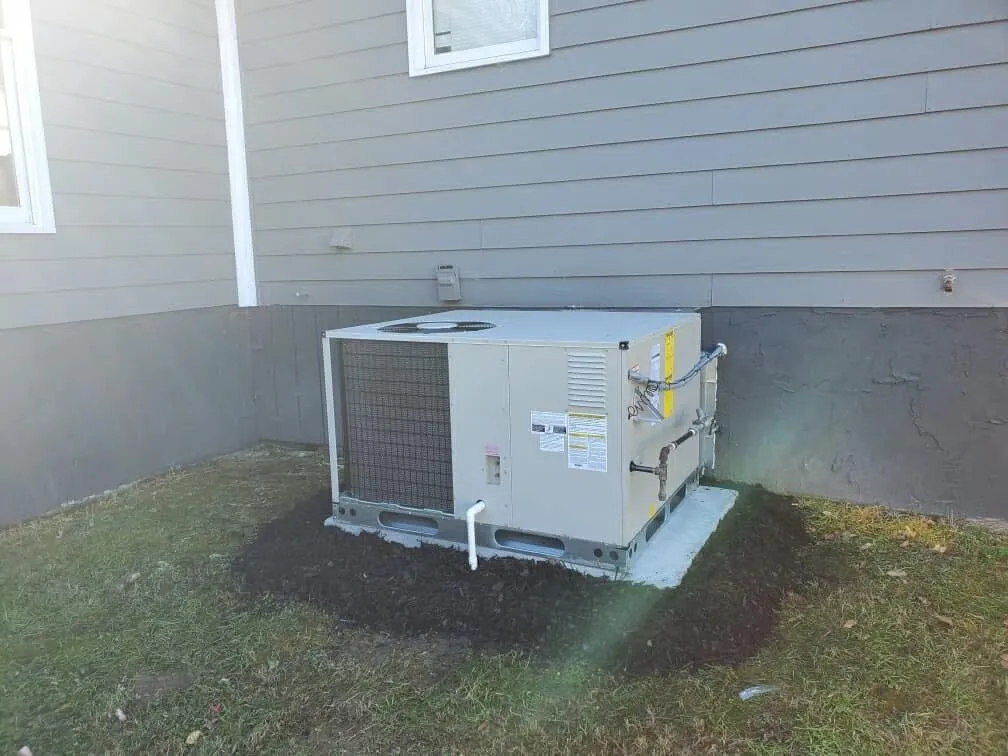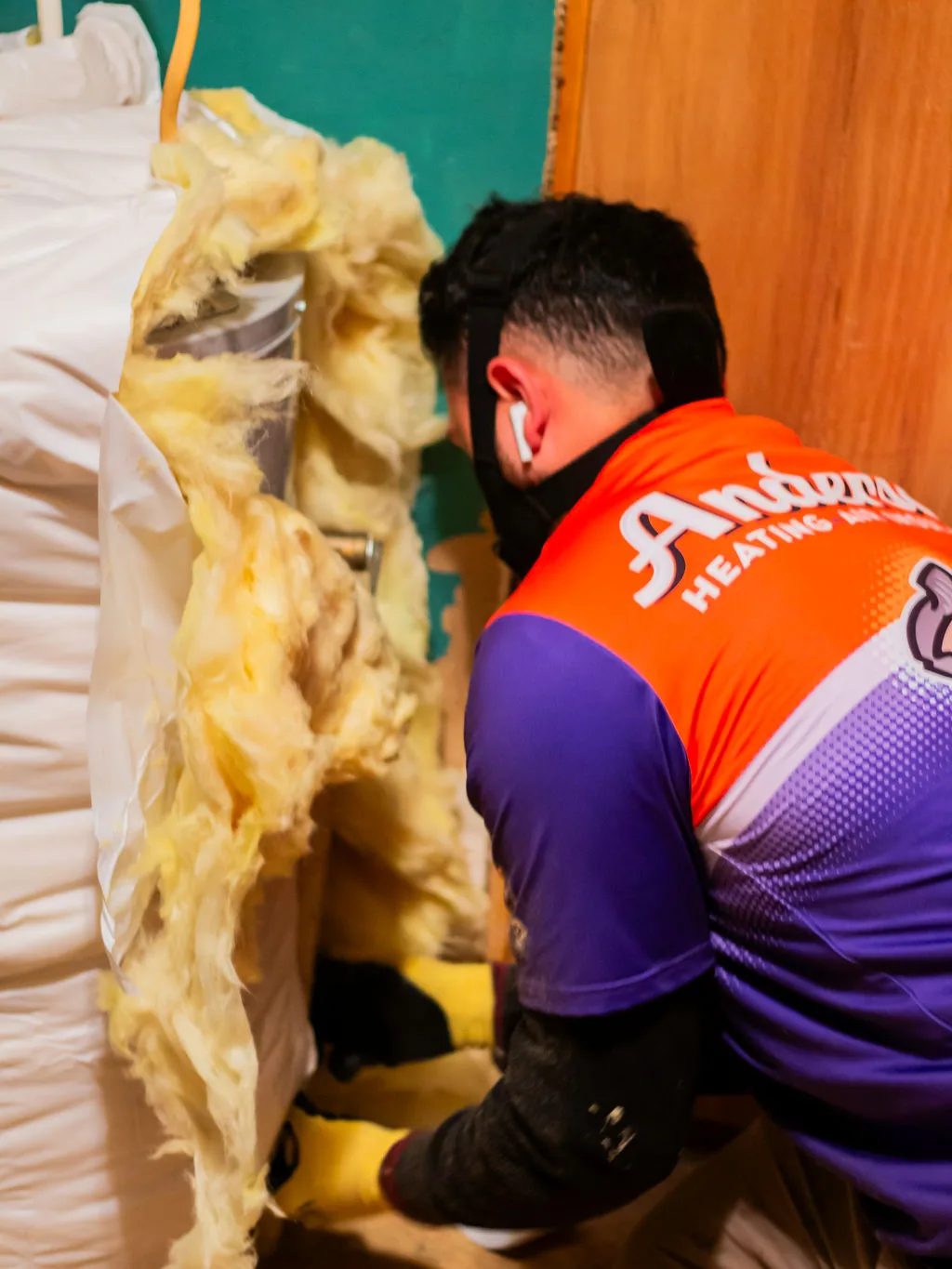
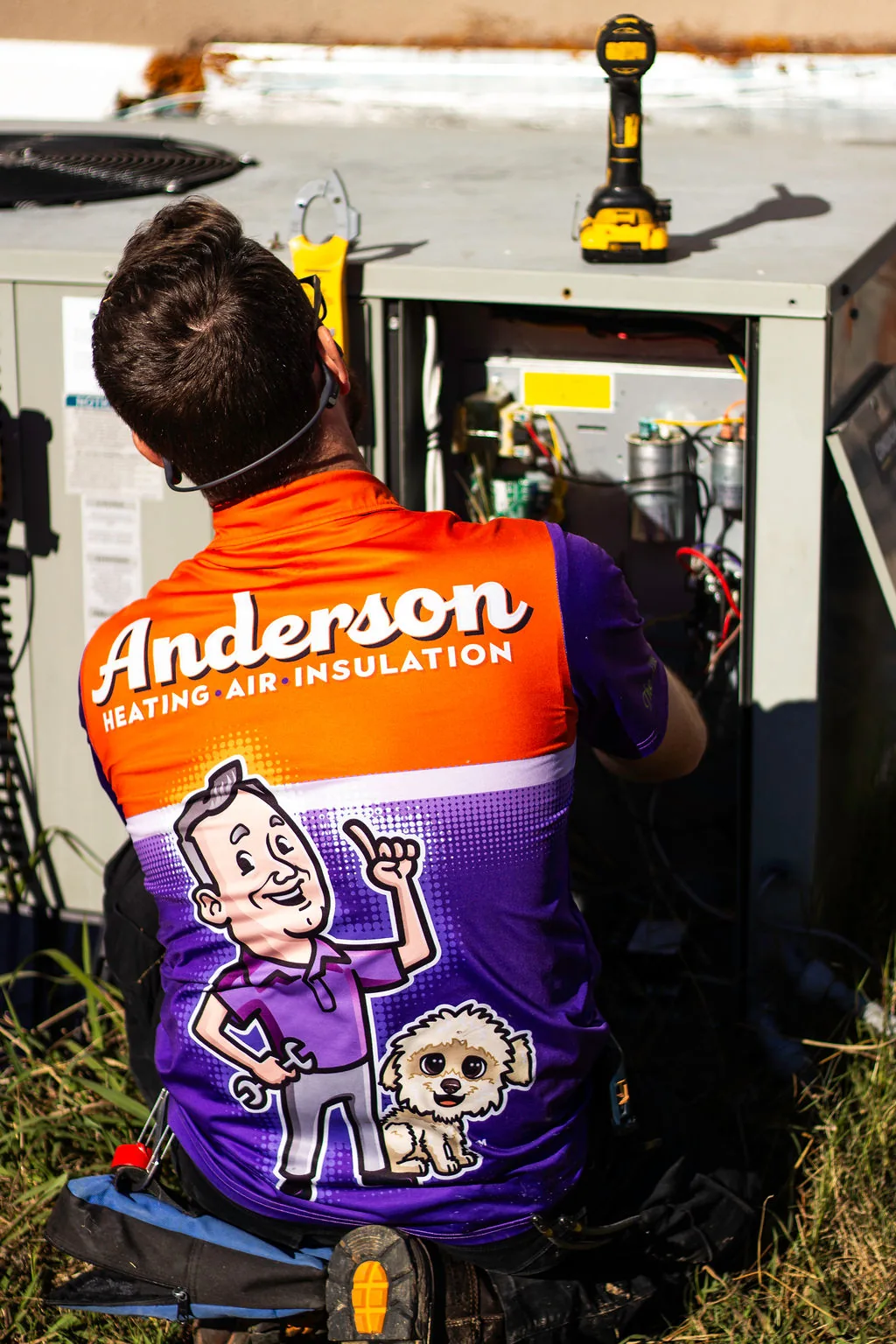





Most HVAC companies operate on what we call the "swap the box" model. The old system fails, they sell you a new one, they install it, they leave. If your house is leaky, poorly insulated, or has bad ductwork, the new $12,000 system runs harder than it should — burning energy and shortening its own life.
The whole-home energy approach treats your home as a system. Every component affects every other component. That's the philosophy John Anderson built this company on in 1978, and it's why we became BPI certified.

The "Swap the Box" Mistake
Here's what happens when an HVAC-only contractor replaces your system:
- They sell you a new unit sized to your old, leaky house
- They reconnect to existing ductwork (often leaking 20-30% of the cooled air into your attic)
- They don't check insulation, air sealing, or building envelope
- They don't ask why your bedroom upstairs is always 8 degrees warmer
Result: you spent five figures and your power bill barely moved. The system is overworked because half its output never reaches the room it's supposed to cool.
The Whole-Home Energy Approach
Before we sell you a new system, we ask the bigger question: what's the house actually doing?
- Blower door test — measures how leaky your home is to outside air
- Duct leakage test — finds where conditioned air is escaping into walls, attics, or crawlspaces
- Infrared inspection — visually shows where insulation is missing or compressed
- Combustion safety check — important on gas furnaces; tests for CO leaks
- Comfort survey — which rooms have problems, when, why
From that, we build the right plan. Sometimes that's a new system. Sometimes it's seal-and-insulate-first-then-rightsize-the-replacement. Almost always, the plan costs the customer less long-term than the "swap the box" route.
Real Numbers from Real Homes
One Calhoun homeowner replaced their AC three times in eight years before calling us. Their attic insulation was R-11 (Georgia code calls for R-38). Their ducts leaked 32%. The "right answer" wasn't another AC replacement — it was insulation + duct sealing + a properly sized new system. Their power bill dropped 41%.
This is why we say: most companies fix the symptom. We fix the cause.
When Do You Need Whole-Home vs HVAC-Only?
If your HVAC works fine but is at end-of-life, a straight replacement may be appropriate. But if you've experienced any of the following, the whole-home approach will save you money over the long run:
- High power bills that don't match your usage
- Hot or cold rooms that the system can't keep up with
- Multiple HVAC replacements in under 15 years
- Humidity problems in summer (signs of duct leakage)
- Drafty rooms in winter (signs of envelope leakage)