When the heat really settles in, a little AC maintenance is often the difference between a house that stays comfortable and one that struggles all afternoon. If you have ever watched the thermostat sit two degrees too high while the unit runs and runs, you know the feeling.
The good news is that most summer cooling problems trace back to simple upkeep, not a failing system. A handful of easy habits can keep your air conditioner moving heat the way it should, even when the weather outside is brutal. None of this needs special tools, and most of it takes only a few minutes at a time. Here is what actually helps, explained plainly.
Why Peak Summer Is So Hard on Your System
Your air conditioner does not make cold air. It moves heat out of your home and dumps it outside, and the hotter it gets, the harder that job becomes. During the worst stretches of the season, a system that was coasting in spring can suddenly fall behind.
Long run times, sticky indoor humidity, and a power bill that keeps climbing are all early signs that the unit is fighting the heat. In humid spots like Rome, where the summer air sits heavy, that strain shows up even sooner. That is why steady maintenance matters most right before and during the hottest months. The Department of Energy explains how air conditioning works and why performance drops when a system is neglected. If your unit runs but the house never cools, that usually means something simple is holding it back, and our guide on AC not cooling walks through the common culprits.
Change the Air Filter on a Schedule
This is the easiest win in all of AC maintenance, and the one people skip the most. A clogged filter chokes airflow, which makes the system work harder and cool less. Check it once a month during heavy use, and replace it every one to three months depending on pets and dust in your home.
If you are not sure of the size, the dimensions are usually printed right on the edge of the old filter. Higher-rated filters trap more, but a very high-MERV filter can actually restrict airflow, so match the filter to what your system is built for and keep checking it often. A clean filter protects the equipment and keeps your indoor air cleaner too. It costs a few dollars and a couple of minutes, yet it prevents a surprising number of hot-weather breakdowns.
Keep the Outdoor Unit Clear and Clean
The outdoor unit sheds the heat your system pulls from inside, so it needs room to breathe. Pollen, grass clippings, and fallen leaves can mat against it and trap heat right when you need cooling the most. Yards around Dalton throw plenty of both at the unit through the season.
Part of good upkeep is keeping at least two feet of clear space around it and gently rinsing the fins when they look dirty. Always shut the power off before you clean anything. A bit of afternoon shade can help the unit run cooler, as long as nothing blocks the airflow, and it is worth checking that the drain line stays clear so water does not back up. A blocked outdoor unit is one of the most common reasons a system cannot keep up on a ninety-degree afternoon.
The two-minute summer check:
When your AC runs but the house will not cool, start here — a fresh filter and a clear outdoor unit fix more hot-weather calls than anything else, and both take only minutes.
Protect Airflow and the Coils Inside
Inside the house, the evaporator coil absorbs heat from your rooms, and it depends on steady airflow to do that. When a filter clogs or a vent gets blocked, the coil can grow too cold and freeze into a block of ice, which stops cooling entirely.
Closed registers in unused rooms can cause the same trouble, so leaving them open usually beats sealing the house off room by room. If you spot frost on the lines, our explainer on an iced-up AC coil shows why it happens and what to do first. Keeping vents open and filters fresh is the simplest step for avoiding that frozen mess in the first place.
Don't Forget the Ducts and Thermostat
Leaky ducts quietly waste a big share of the cool air you pay for, especially when they run through a hot attic. Sealing them is the real efficiency lever; cleaning mainly helps when the ducts are genuinely obstructed or contaminated, and our breakdown on professional duct cleaning covers what a real cleaning actually removes.
A smart or programmable thermostat also takes pressure off the system by easing back while you are away. Setting it a little higher when the house is empty, then letting it recover before you walk in, keeps you comfortable without running the unit all day. For more ways to stay cool for less, the Department of Energy lists practical summer energy-saving tips worth trying at home.
Book a Professional Tune-Up Before the Heat Peaks
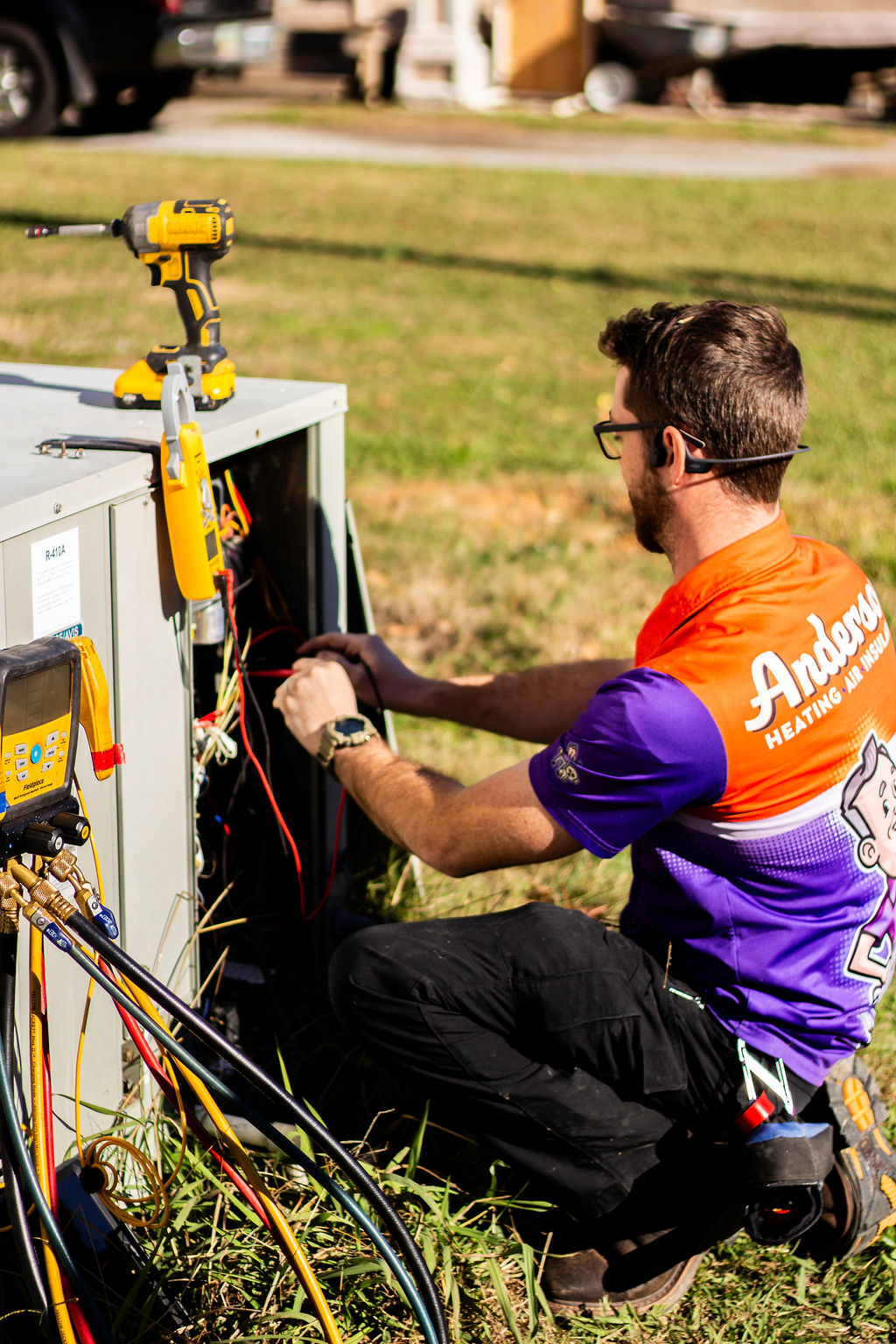
Some AC maintenance is best left to a trained technician. A spring tune-up catches small problems before they turn into summer emergencies, back when everyone is calling at once. A thorough visit checks refrigerant levels, cleans the coils, tests airflow, and tightens electrical connections.
ENERGY STAR even publishes a maintenance checklist of what you should expect during one of these visits. Many companies also offer plans that bundle these checkups with priority scheduling, which can pay off over a long cooling season. Scheduling early means you are not stuck waiting days in the heat.
When Upkeep Is Not Enough
Even perfect maintenance cannot make an old, worn-out system run like new. If your unit needs frequent repairs, falls behind every summer, or is well past its expected life, it may be time to weigh a replacement instead. Rising repair bills are usually the clearest signal, since money spent patching a tired unit is often better put toward one that runs efficiently for years.
While you decide, these energy-saving tips are a solid way to keep cooling costs down. Anderson Heating, Air & Insulation (formerly John Anderson Service Company) can look at the whole picture and tell you honestly whether upkeep or an upgrade makes more sense for your home. We keep cooling systems tuned for homeowners in Calhoun and the nearby towns, and have since 1978.
If your upkeep points toward a higher-efficiency upgrade down the road, there may be utility incentives worth knowing about. As a BPI-certified contractor, we can walk you through the rebates and programs that could apply — ask us, or take a look at our Georgia Power HVAC rebates guide.
Ready for a Summer AC Check?
Beat the summer rush. We will check your system top to bottom so it is ready before the heat peaks.
Call (706) 629-0749Frequently Asked Questions
How often should I schedule AC maintenance?
A professional tune-up once a year, ideally in spring before the peak heat arrives, is enough for most homes. Pair that with checking your filter monthly and you will catch the majority of issues early.
Can I do any of it myself?
Some of it, yes. Changing filters, clearing the outdoor unit, and keeping vents open are easy do-it-yourself jobs. Anything involving refrigerant, electrical parts, or the coils should be left to a qualified technician.
Why is my AC running but not cooling in summer?
It is usually airflow or refrigerant. A dirty filter, a blocked outdoor unit, or a low charge can all leave the system running while the house stays warm. A quick check often finds the cause.
Does upkeep really lower my power bill?
It can. A clean, well-tuned system moves heat more efficiently, so it runs less to reach the same temperature. Neglect tends to show up as higher bills and a shorter equipment life.
How long does an air conditioner last with good care?
Most systems run well for fifteen to twenty years when they are looked after. Consistent maintenance, plus a sealed and insulated home, helps you reach the top end of that range.