If your air conditioner is fading fast, the first thing you probably want to know is what an AC replacement actually costs before you ever pick up the phone. That is a fair worry, because nobody wants a surprise number after the old unit quits in the middle of a Georgia summer.
The honest answer is that there is no single flat price, because a handful of specific things push the total up or down. Some of them have to do with the equipment, and some have to do with your house and the work involved. Once you understand those factors, the quotes you get start to make a lot more sense, and you feel far less like you are guessing.
What Actually Shapes the Price
When most people picture replacing an AC unit, they think only of the box sitting outside. In reality, the equipment is just one part of it. The size of the system, how efficient it is, the condition of your home, and the quality of the install all feed into the final number.
Two homes on the same street can land at very different prices for reasons that have nothing to do with anyone padding the bill. Skipping past any one of these pieces is how people end up comparing quotes that are not really the same thing at all, then wondering why the cheap one felt too good to be true.
System Size and Why It Matters
A unit that is too small runs nonstop and still never quite cools the house. One that is too big cools fast but cycles on and off, which wears it out and leaves the air feeling damp and clammy. Getting the sizing right is one of the biggest pieces of a fair price, because the correct size keeps your monthly running costs lower and helps the system last longer.
Proper sizing comes from a real calculation that looks at your square footage, your windows, your ceiling height, and how well the home is sealed. A good contractor measures all of that instead of just matching the label on your old unit, which may have been wrong to begin with. The type of system matters too, and if you are weighing your options, our look at heat pump vs furnace for our climate explains how each one performs across the year.
Efficiency Ratings and Long-Term Value
Higher-efficiency systems usually cost more at the start, but they pull less power every month. Efficiency is measured by a SEER2 rating, and a higher number means the unit does more cooling for each unit of electricity. The Department of Energy's guide to central air conditioning lays out how those ratings affect what it takes to run the system.
Over the years that upfront gap tends to close, which is exactly where the lowest sticker price can quietly turn into the more expensive choice. Around Rome and the rest of the valley, the cooling season runs long, so how much a system costs to run month after month is a real part of the picture, not just the price on the tag.
Your Home Beyond the Unit
Here is the part most people do not expect. The price is tied to your whole house, not just the box outside. Leaky ducts, thin attic insulation, and air gaps make even a brand new system work harder than it should. That is especially true in older homes around Dalton, where original ductwork and thin attic insulation are common.
You can buy top-tier equipment and still end up with mediocre comfort if the home is fighting it the whole time. Sealing and insulating first, or at least at the same time, protects what you spend on the new system. Our guide on air sealing breaks down where a typical home loses energy, and once that is handled the new AC can do its job instead of chasing leaks.
The piece most quotes skip:
A right-sized system installed in a well-sealed home is what keeps long-term running costs down. That is why we measure your actual house before we ever hand you a number, instead of matching the label on your old unit.
Labor, Permits, and Install Quality
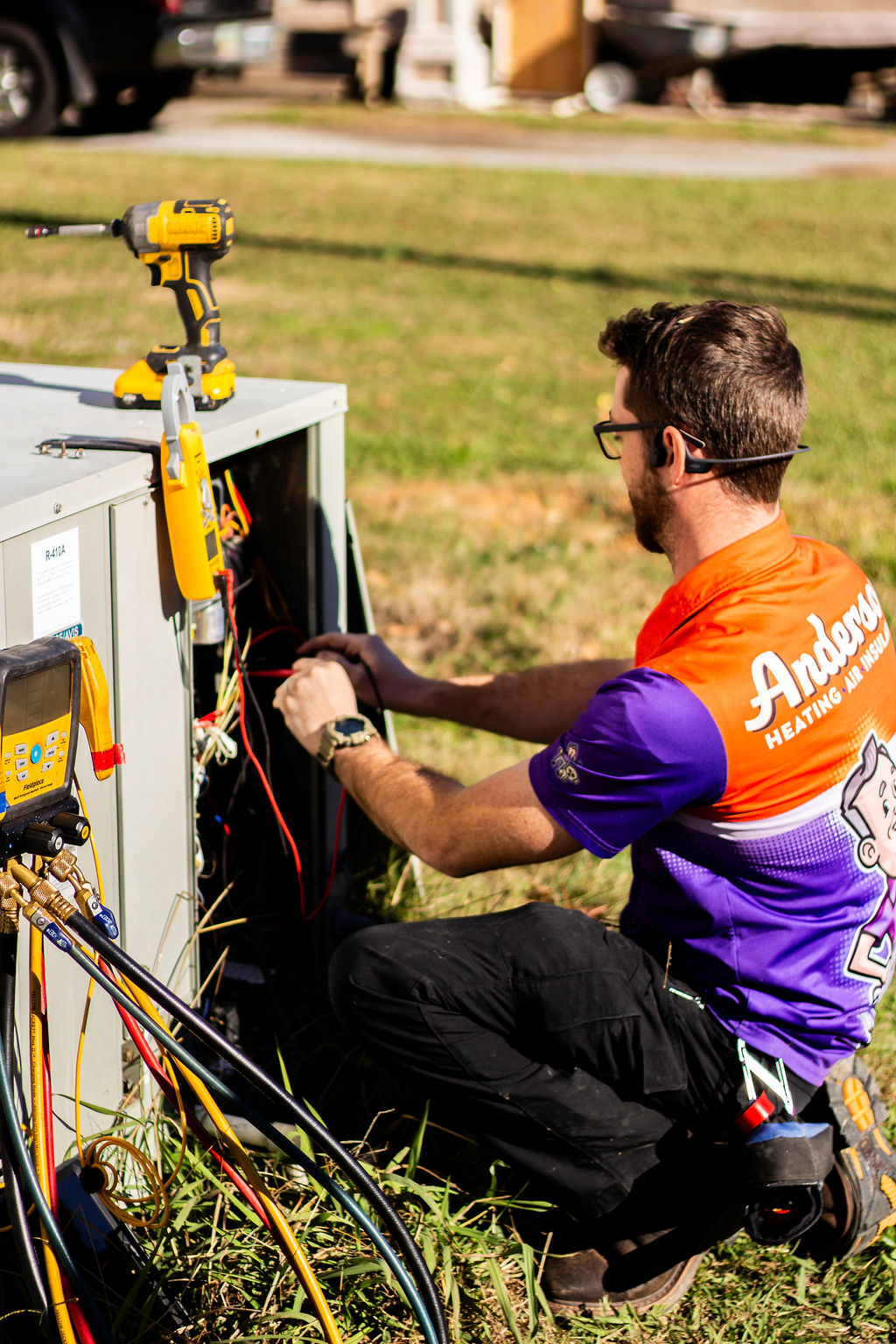
The install itself carries real cost, and it is worth every dollar when it is done right. Proper line sets, the correct refrigerant charge, sealed connections, and a clean electrical hookup all affect how long the unit lasts and how well it cools. Permits and code-compliant work add a little to the total, but they protect you if anything goes wrong later.
A rushed, bargain install is the most common reason a new system fails years too early. So when one quote lands far below the rest, it is fair to ask what is being left out. If you are still on the fence about repairing versus replacing, the signs to watch for can help you decide before you spend a dime on either path.
Thinking About Long-Term Value
It is tempting to chase the lowest number and call it done. The smarter question is what the system will cost you over the next ten to fifteen years. A right-sized, efficient unit, installed well in a sealed and insulated home, keeps your running costs down and breakdowns rare.
Routine air conditioner maintenance protects that investment and helps the system reach the top end of its lifespan. That is the kind of value that never shows up on the first estimate, but it shows up every summer you do not sweat through. Anderson Heating, Air & Insulation (formerly John Anderson Service Company) can walk through your home and give you a number that reflects your actual house, not a generic chart. We size and install replacement systems for homeowners in Calhoun and the surrounding towns, and we have done it here since 1978.
Because a replacement is a real investment, it is worth asking about ways to offset the cost. As a BPI-certified contractor, we can point you toward current utility rebates and incentives that may apply to a high-efficiency system — just ask our team, or read our Georgia Power HVAC rebates guide.
Get a Number Built Around Your Home
We will look at your actual house, measure what matters, and give you a straight assessment of your options. No pressure, just facts.
Call (706) 629-0749Frequently Asked Questions
How long does a new AC system usually last?
Most systems run well for fifteen to twenty years when they are sized correctly and maintained. Regular tune-ups, along with a sealed and insulated home, help you reach the higher end of that range instead of the lower one.
Is it worth paying more for a high-efficiency unit?
Often, yes. A higher-efficiency system costs more to install but uses less power every month, so it works in your favor across our long cooling season. The right call depends on how long you plan to stay in the home and how hard you run the system.
Why do two quotes for the same house look so different?
Quotes vary because they can include different equipment, sizing, and install quality. One may seal your ducts and verify the charge while another quietly skips those steps. Always compare what is actually included, not just the bottom line.
Does my home's insulation really affect the price?
It does, more than most people expect. A leaky, poorly insulated home may need a larger system and costs more to run, which raises the true long-term cost over the life of the unit.