



If you're trying to decide between a heat pump and a furnace for your Georgia home, you're asking the right question. The answer isn't always obvious — it depends on your climate, your current system, your energy goals, and your budget.
At Anderson Heating, Air & Insulation (formerly John Anderson Service Company, est. 1978), we install and service both systems every week. Because we're BPI Certified, we don't just sell equipment — we evaluate your entire home's energy performance before making a recommendation.
Quick Comparison: Heat Pump vs Furnace in Georgia
| Factor | Heat Pump | Gas Furnace |
|---|---|---|
| Heating Efficiency | 300-400% (moves heat, doesn't burn fuel) | 80-98% AFUE |
| Cooling | Built-in (one unit does both) | Requires separate AC |
| Performance in GA Winters | Excellent down to ~25°F; auxiliary heat handles rare colder nights | Very reliable in any temperature |
| Operating Cost (Calhoun area) | Usually lower than gas + electric AC combo | Depends on gas prices; can be higher than modern heat pumps |
| Lifespan | 12-15 years | 15-20+ years |
| Upfront Cost | $6,500 – $11,000 installed | $4,500 – $8,500 (plus AC if needed) |
| Rebates & Incentives | Utility and state rebates (federal credit ended after 2025) | Limited incentives |
| Best For | Homes wanting one efficient system for year-round comfort + lower bills | Homes with existing gas lines and very cold climate concerns |
How Each System Works
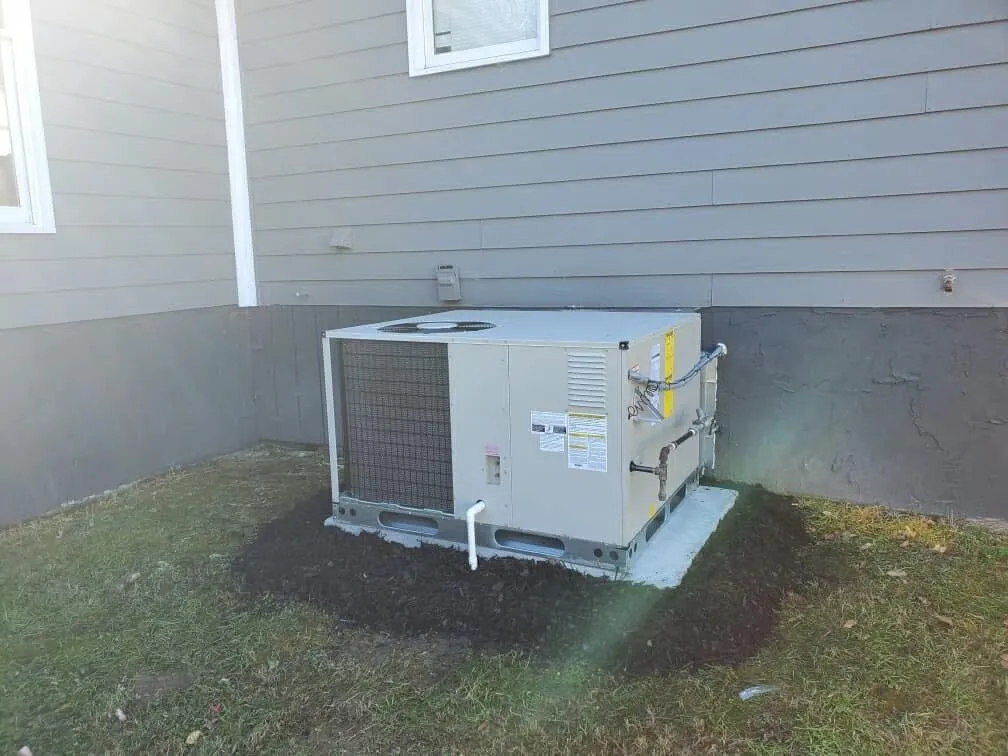
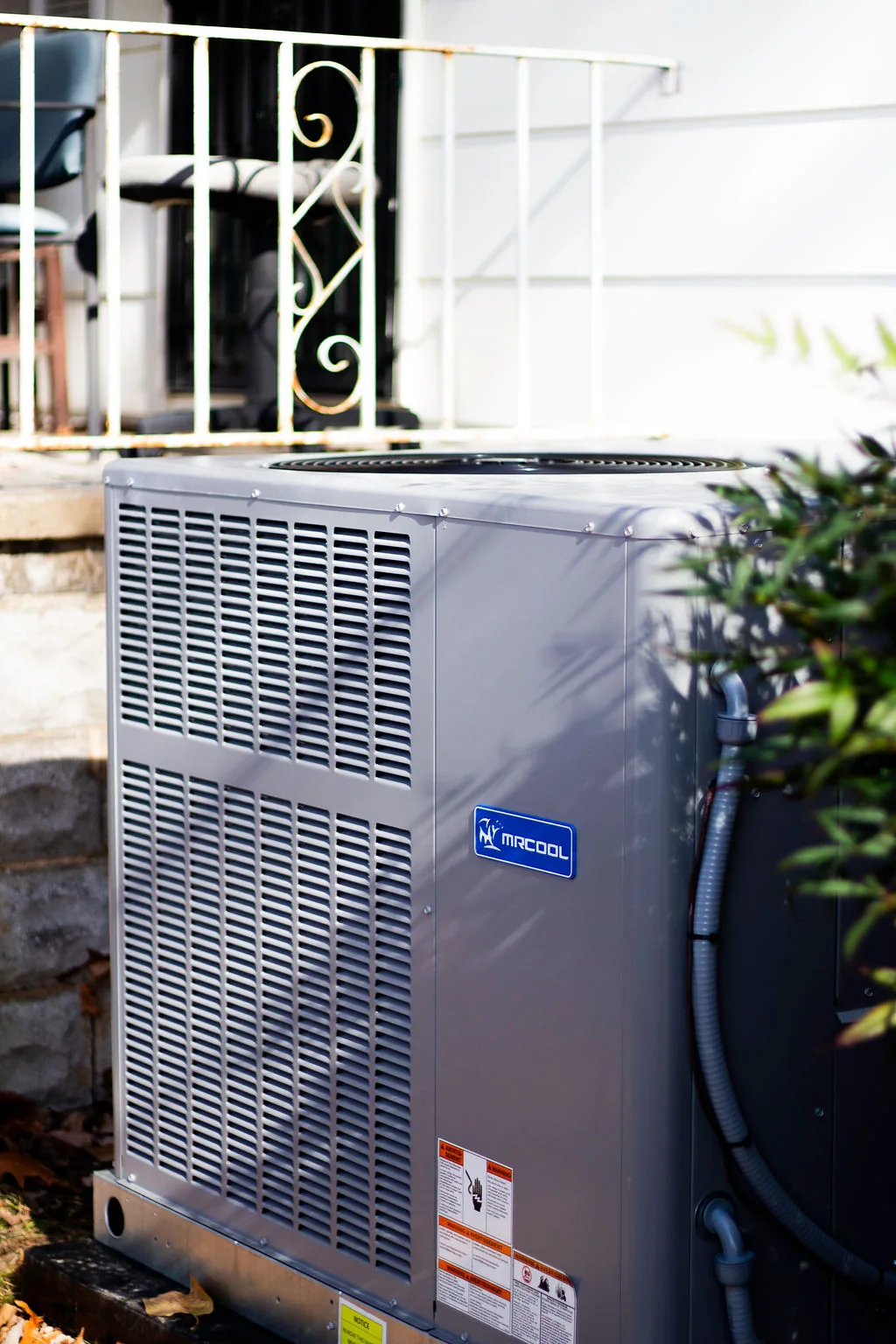
A heat pump moves heat instead of making it. In winter it pulls heat out of the outdoor air and brings it inside; in summer it runs in reverse and works as your air conditioner. That’s why one outdoor unit handles both seasons.
A furnace makes heat. A gas furnace burns natural gas or propane, and an electric furnace uses heating elements. A furnace only heats, so it’s paired with a separate air conditioner for summer.
Forced Air vs. Heat Pump: What’s the Difference?
“Forced air” describes how heat is delivered, not where it comes from. A blower pushes warm or cool air through ductwork and out of the vents. A gas furnace with ducts is a forced-air system, and so is a ducted heat pump. So the real choice isn’t forced air or a heat pump. It’s which heat source feeds the ducts: a furnace or a heat pump. Homes without ducts can use a ductless mini-split, which is a heat pump that delivers air straight into the room.
How Heat Pumps Perform in Georgia Winters
Many homeowners worry that heat pumps "don't work in cold weather." That was true of older models, but today's high-efficiency units are dramatically different.
In Calhoun, Dalton, and Rome, winter temperatures rarely stay below 25°F for long. Modern heat pumps maintain strong efficiency in this range. When temperatures drop further, the system automatically engages auxiliary electric heat — which is still cleaner and often more affordable than running a gas furnace full-time.
Our BPI-certified technicians have installed hundreds of heat pumps across Northwest Georgia. The feedback from customers is consistent: lower monthly energy bills and more even temperatures throughout the house.
Why Many Calhoun Homeowners Are Switching to Heat Pumps
Lower Operating Costs
A heat pump can deliver 3-4 units of heat for every 1 unit of electricity it uses. That's why many of our customers see 20-40% lower heating bills compared to their old gas furnace + AC combination.
One System, Year-Round Comfort
No separate furnace and air conditioner. One high-efficiency unit handles both heating and cooling with better humidity control in Georgia's muggy summers.
Big Incentives Available Now
The federal heat pump tax credit (25C) ended for systems installed after December 31, 2025, so ask what utility and state rebates currently apply. Georgia Power and other utilities add more rebates. We help every customer maximize these incentives.
Better for the Whole House
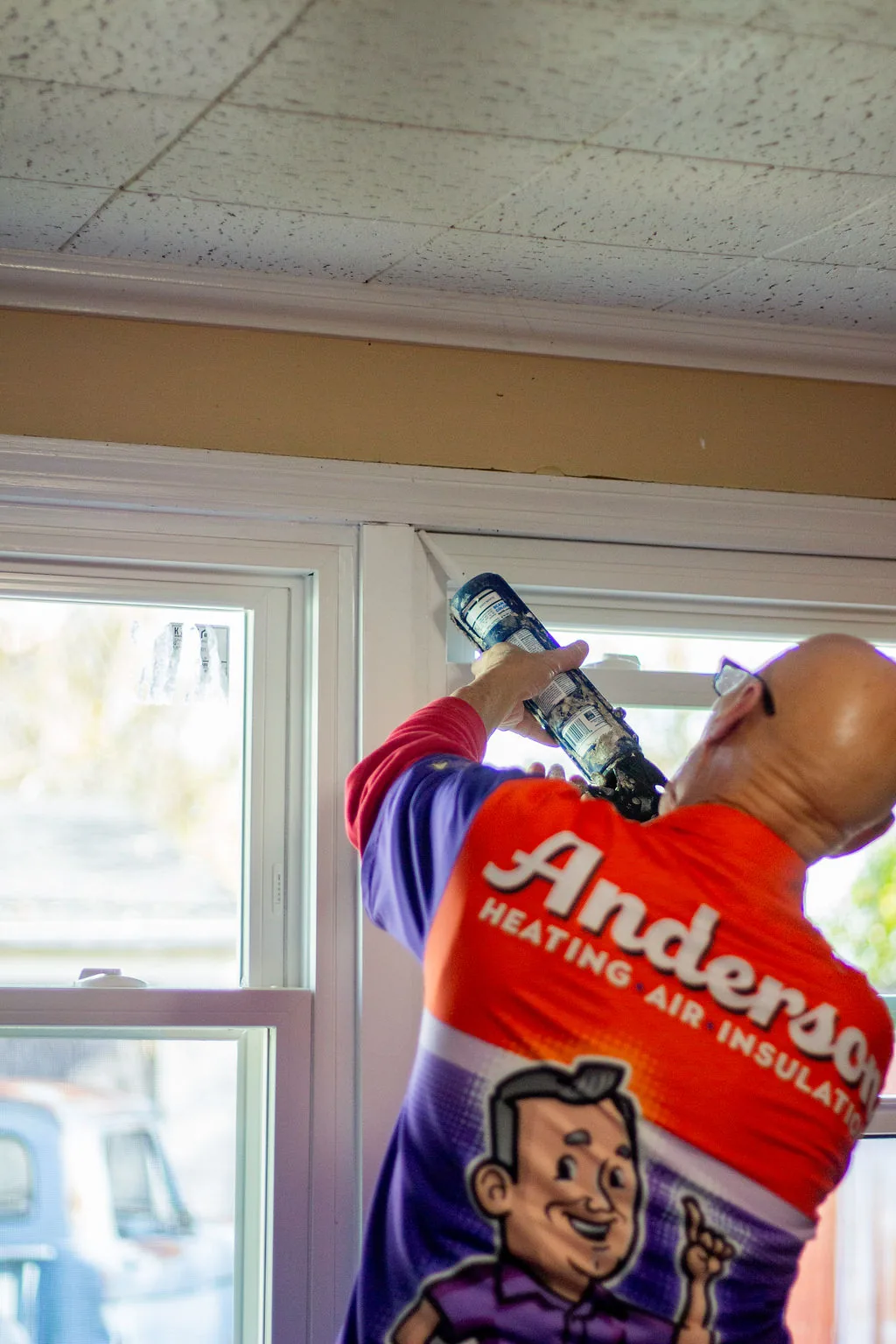
Because we're BPI Certified, we often pair heat pump installations with insulation and air sealing upgrades — delivering even greater savings and comfort.
When a Furnace Might Still Be the Better Choice
We're not heat pump salespeople — we're whole-home energy experts. In some situations, a high-efficiency gas furnace is still the right recommendation:
- Your home already has natural gas service and you're happy with the current setup
- You want the absolute lowest upfront cost and plan to stay in the home only a few more years
- You have specific concerns about electric rates or backup heat during power outages
Even in these cases, we still evaluate your insulation, ductwork, and overall energy performance because a new furnace in a leaky house is money poorly spent.
Dual Fuel: Using Both
Some homes don’t have to choose. A dual-fuel system pairs a heat pump with a gas furnace: the heat pump handles cooling and most of the heating, and the furnace takes over on the coldest nights. It can make sense in homes that already have gas service and want heat-pump efficiency without relying on electric backup heat.
Installation Considerations
- Ductwork: leaky or undersized ducts hurt either system. We test them before recommending equipment.
- Sizing: both systems should be sized with a load calculation, not matched to the old unit’s size.
- Fuel and electrical: a furnace needs gas service and venting; a heat pump may need electrical work.
- The house itself: sealing and insulating first can mean a smaller system either way.
Ready to compare options for your home? See heat pump and mini-split installation, HVAC installation and replacement, or start with a whole-home energy audit.
Our Recommendation Process
When you call Anderson Heating, Air & Insulation for a heating system consultation, here's what happens:
- We perform a whole-home energy assessment (BPI protocol)
- We measure your current energy use and comfort issues
- We model both heat pump and furnace options with real utility rates
- We show you exact payback periods including all available rebates
- We install with our custom sheet metal shop ensuring perfect ductwork
Our promise: We only recommend what makes sense for your home and your goals.