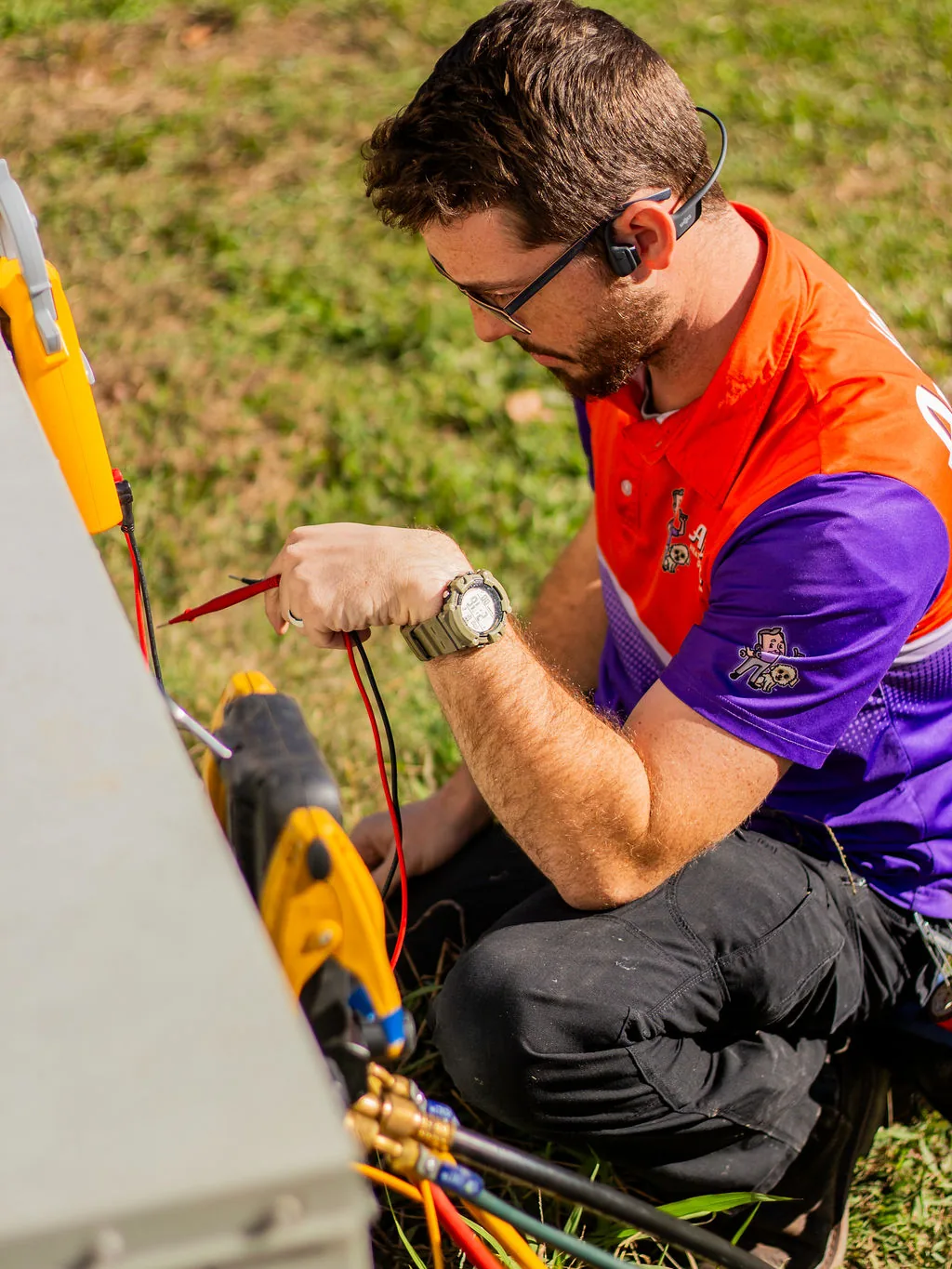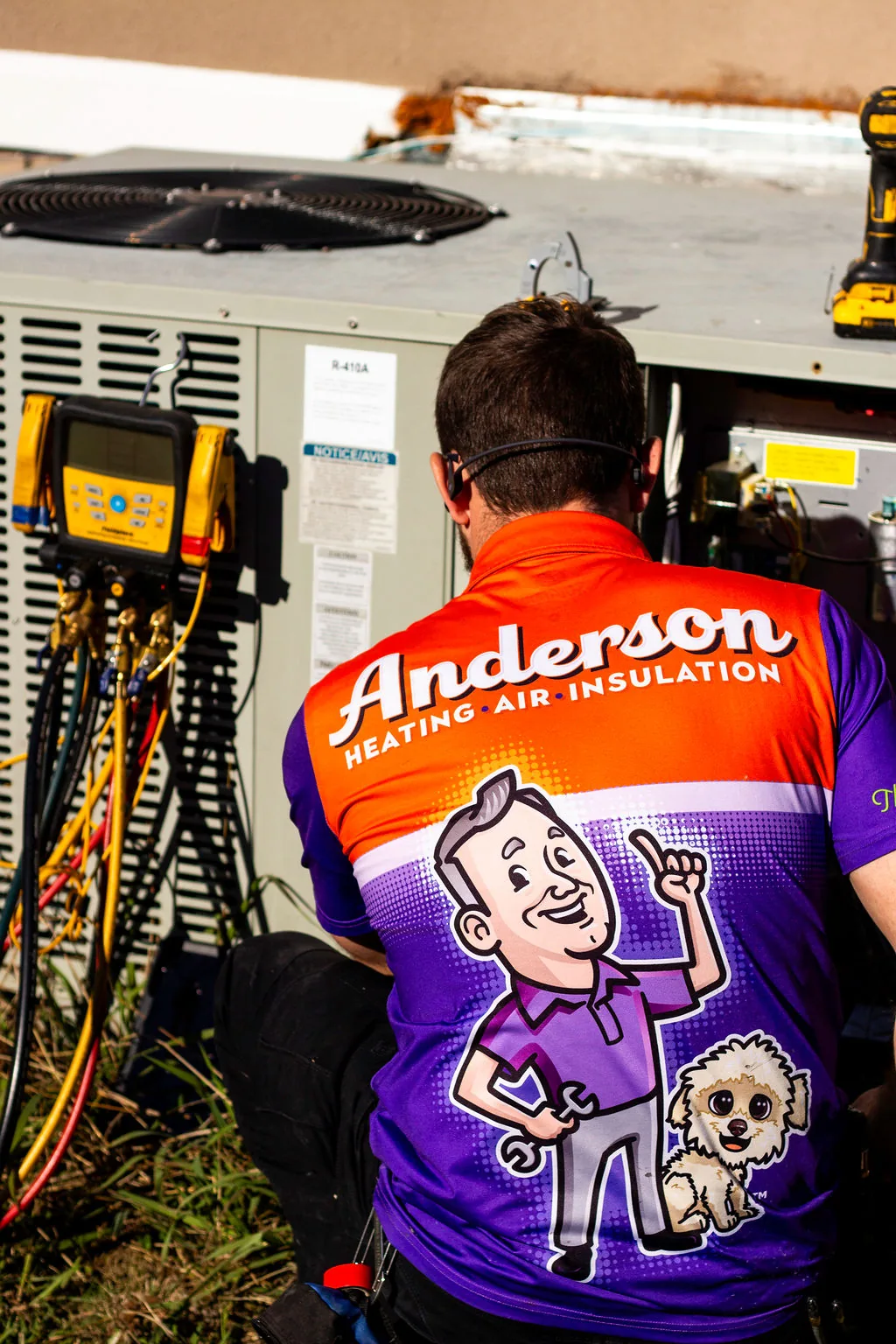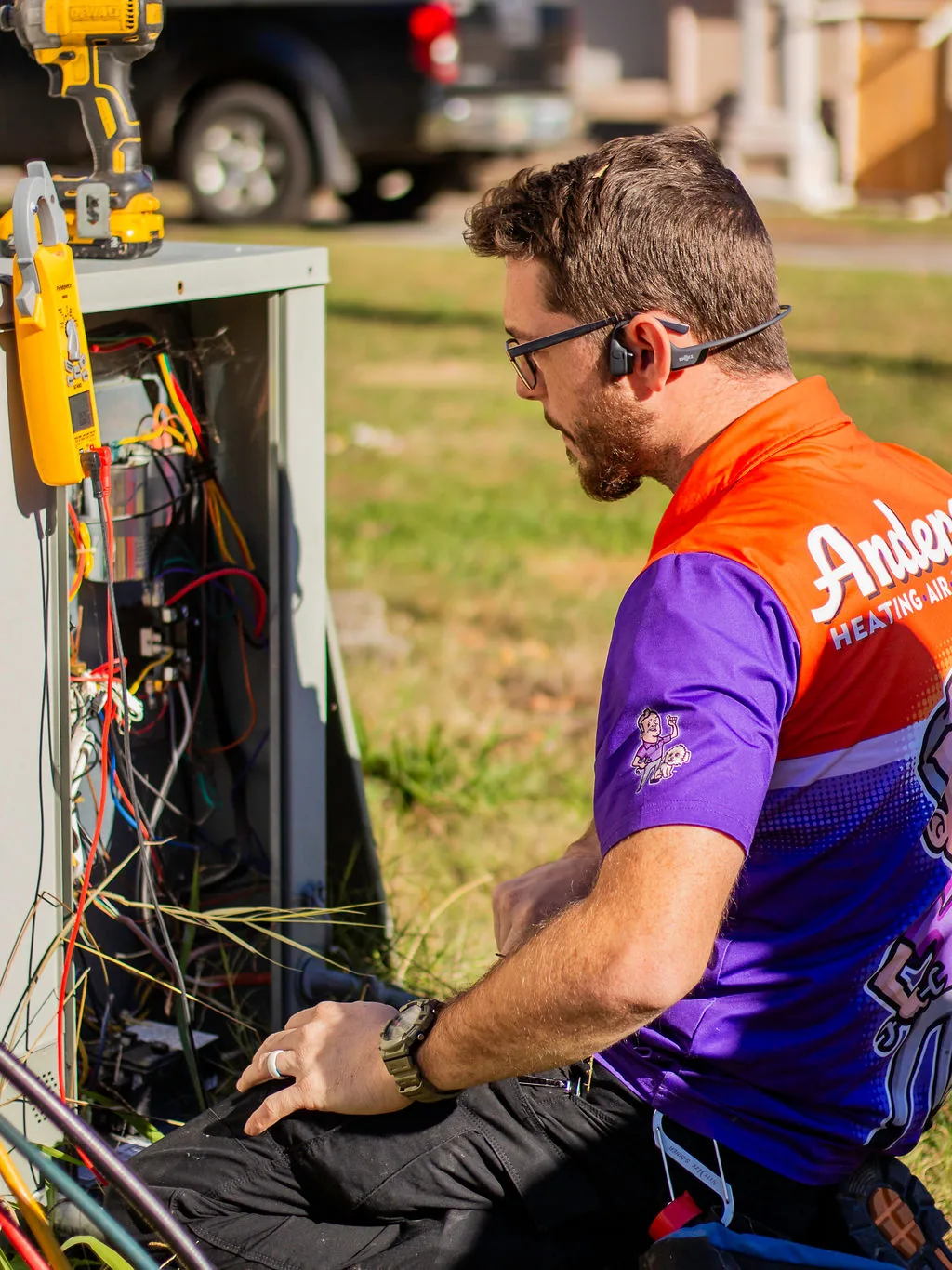
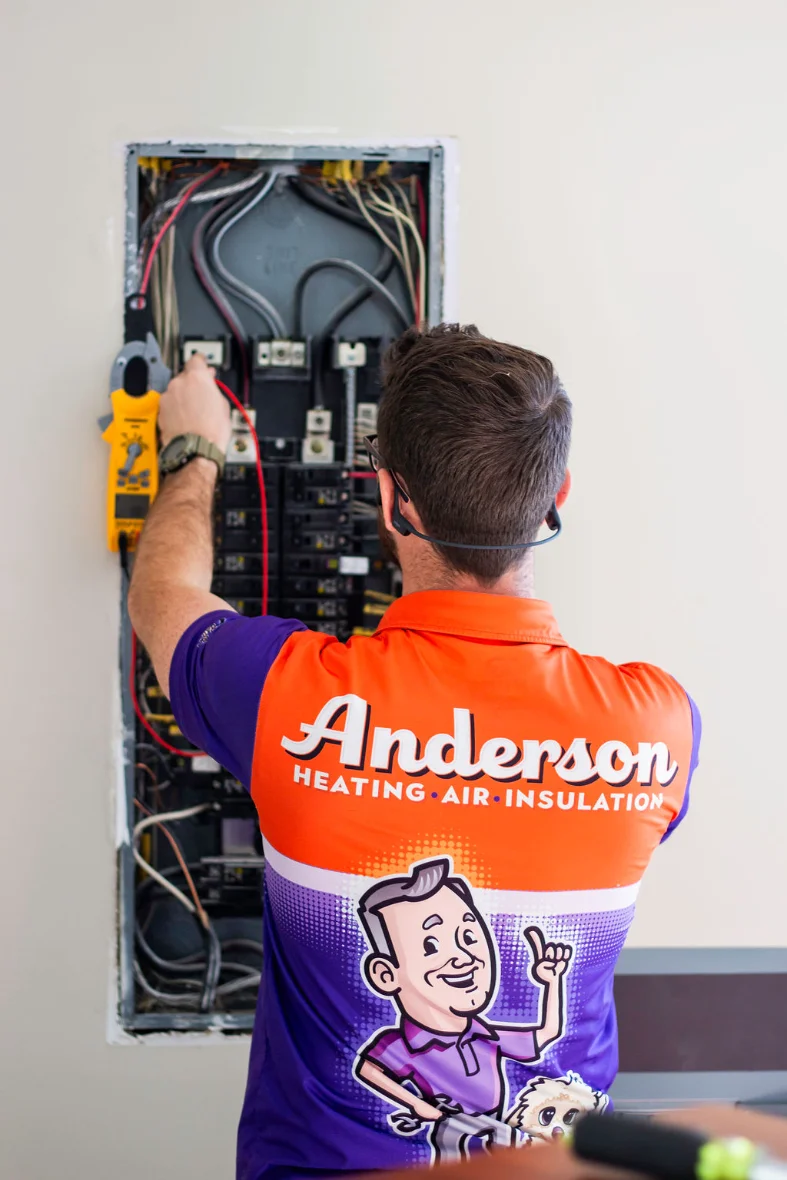


Most people never think about the individual AC parts until something stops working and the house turns warm. That is understandable, since the system mostly hums along in the background and asks nothing of you.
But knowing what the main components do makes it far easier to understand why a system struggles, what a technician is talking about, and where your money goes during a repair. You do not need to be a mechanic to follow along. A simple tour of the key pieces is enough to make smarter decisions about your comfort and your repair bills.
The Compressor: The Heart of the System
Of all the AC parts, the compressor does the heaviest lifting. It pressurizes the refrigerant and keeps it moving through the system, which is what allows heat to be pulled from your home and dumped outside. When the compressor fails, cooling stops entirely, and because it is the most expensive component, a failure here often forces the big repair-or-replace decision.
Most compressor deaths are not random, though. They trace back to strain from poor airflow, a bad refrigerant charge, or constant short-cycling that wears the part down over time. Protecting the compressor really means taking care of everything around it.
The Two Coils That Move Heat
Two coils do the actual heat transfer. The indoor evaporator coil absorbs heat from your air, and the outdoor condenser coil releases it outside. These coils depend on clean surfaces and steady airflow to work properly. When the evaporator gets starved of warm air, it can freeze into a block of ice and stop cooling, a problem explained in our piece on an iced-up AC coil.
The outdoor coil has its own enemy, namely pollen, grass, and grime that cake the fins and trap heat. Yards around Dalton coat that coil quickly once pollen season arrives. Keeping both coils clean is one of the simplest ways to protect performance, which is why ENERGY STAR's air conditioner maintenance checklist calls for cleaning both.
Refrigerant and the Blower
Refrigerant is the fluid that carries heat, cycling between liquid and gas as it travels through the coils. If a slow leak drops the charge, the whole system loses its ability to cool, and the other AC parts have to strain to keep up. The blower is the fan that pushes conditioned air through your ducts and into your rooms.
If airflow is weak, often from a dirty filter or leaky ducts, the system works harder for less result and the rooms farthest from the unit suffer first. In humid spots like Rome, weak airflow can even let the coil freeze over. Our breakdown on why duct leaks waste your money shows how much that airflow problem can quietly cost you.
Small part, big scare:
When a unit runs but will not cool, the cause is often a relatively inexpensive, quick-to-replace part such as a capacitor rather than the costly compressor. That is why a diagnosis beats guessing.
The Small Parts That Cause Big Problems
Some of the smallest AC parts cause the most sudden failures. The capacitor gives the motors the jolt they need to start, and when it dies the compressor or fan simply will not run, even though everything else is fine. The contactor, the thermostat, and the control board all play similar roles, quietly directing the system behind the scenes.
The happy news is that these pieces are usually inexpensive and quick to replace, so a frightening no-cooling moment often has a small, affordable cause. If your unit runs but will not cool, our guide on AC not cooling walks through how a tiny part can be the culprit.
How Worn Parts Drag Down Performance
When components wear down, the decline is usually gradual, so you may not notice until bills creep up or comfort slips. A weak capacitor, a dirty coil, or a slightly low charge each shave a bit off efficiency, and together they make the system run longer for the same result. Because the pieces all affect one another, chasing a single part rarely fixes the real problem.
That is why looking at the system as a whole matters more, an idea at the center of the whole-home energy view of comfort. ENERGY STAR's maintenance checklist is a good summary of the components a technician should inspect. Anderson Heating, Air & Insulation (formerly John Anderson Service Company) can measure each piece and tell you what is actually dragging performance down. We keep cooling systems running well for homeowners in Calhoun and nearby towns, and have since 1978.
When worn parts finally point toward a new, high-efficiency system, there may be utility rebates worth exploring. As a BPI-certified contractor, we can help you find the incentives currently available — just ask, or read our Georgia Power HVAC rebates guide.
Not Sure Which Part Is the Problem?
We will diagnose the whole system, not just the obvious symptom, so you know exactly what needs attention and what does not.