

When winter temperatures drop across North Georgia, having a reliable heating system becomes essential. While a central furnace or heat pump keeps your home comfortable, some homeowners turn to wood stoves or fireplaces as a backup source of heat.
Using wood heating as a backup heating system can provide several benefits, from added warmth during power outages to greater flexibility during extremely cold weather. However, it's important to understand how wood heating works alongside your primary HVAC system and what you need to do to keep your home safe.
Here's what homeowners should know about using wood heat as supplemental heating, and what to do if wood is currently your main source of heat.
What Is a Wood Backup Heating System?
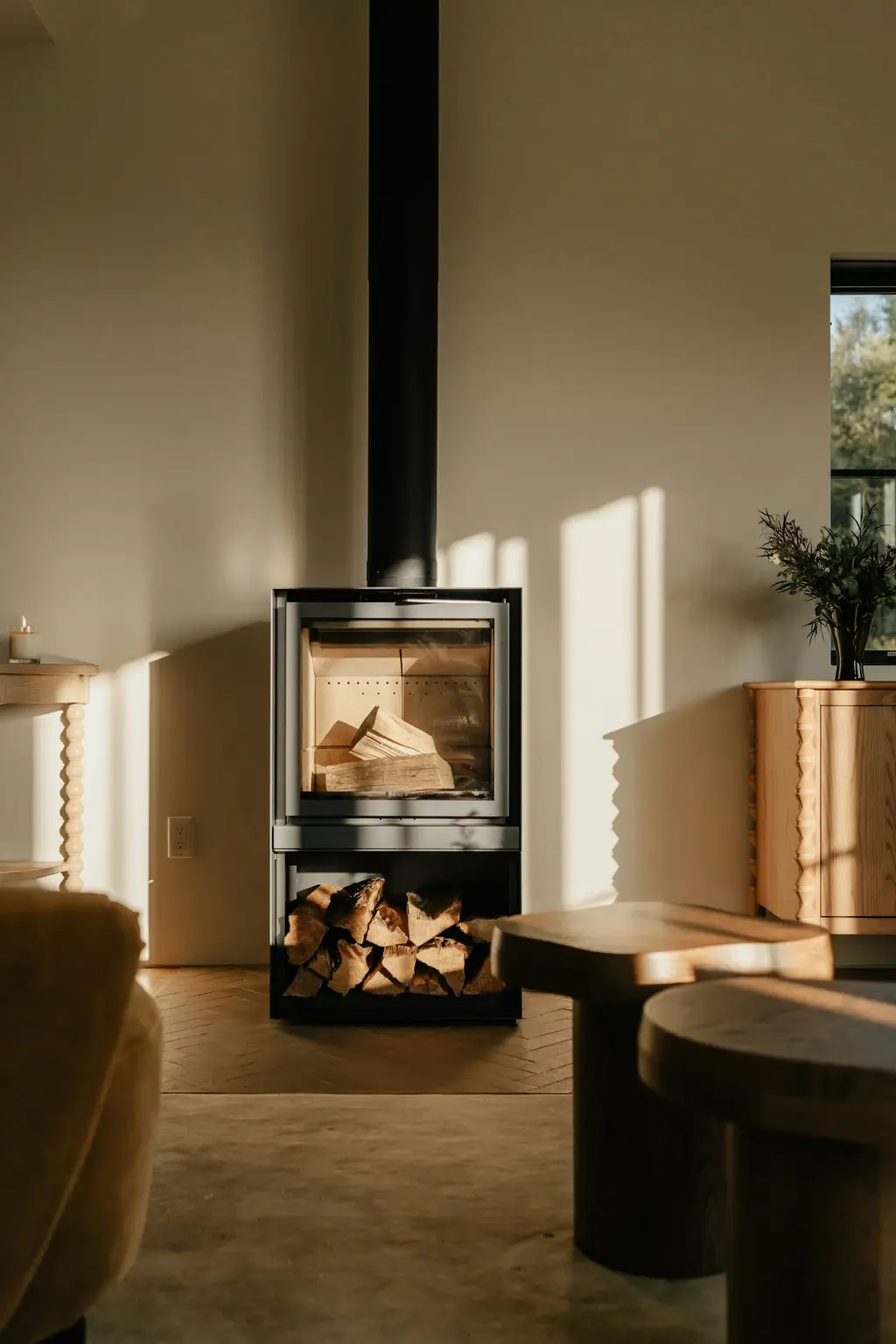
A wood backup heating system uses a wood-burning stove, fireplace, or approved wood furnace to provide additional heat when your primary heating system cannot keep up or becomes unavailable.
Unlike a central HVAC system, which distributes conditioned air throughout your home, a traditional wood stove primarily heats the room around it through radiant heat and natural air circulation. Depending on the equipment and home layout, the warmth may reach nearby rooms, too.
For homeowners in Calhoun, Rome, Dalton, and surrounding Northwest Georgia communities, wood heating can be a useful supplemental option during cold winter weather.
6 Benefits of Using Wood Heat as a Backup
1. An Additional Source of Warmth
One of the biggest advantages of a wood stove or fireplace is having another way to heat your home.
If your furnace or heat pump struggles during an unusually cold night, a properly installed wood stove may help keep the main living area comfortable. This can be especially helpful in older homes, drafty rooms, or spaces that are difficult to heat evenly.
The benefit: You have another heating option when your primary system needs extra support.
2. Potential Savings on Heating Costs
Firewood may be an economical supplemental fuel if you have access to an affordable, reliable supply. Homeowners who use a wood stove to heat an occupied living area may be able to reduce some of their central heating demand.
However, actual savings depend on the cost of firewood, stove efficiency, maintenance, and how the home is heated. Wood heating is not automatically cheaper than using a modern heat pump or high-efficiency furnace.
The benefit: With careful use, wood heat may help manage winter energy expenses.
3. Backup Heat During Some Power Outages
Severe winter weather can sometimes cause power outages, leaving homeowners without a functioning heat pump or electric furnace. Gas furnaces also rely on electricity for their blower and controls.
A properly installed wood stove that does not require electricity for its basic operation may continue providing heat during an outage. However, some wood-burning systems rely on electric blowers, pumps, or controls, so their backup capabilities vary.
Remember that wood heat does not automatically keep your entire home warm, and safe operation still requires a properly functioning chimney and adequate ventilation.
The benefit: Certain wood-burning appliances can provide heat when the electricity goes out.
4. Reduced Dependence on a Single Heating Source
Relying on one heating system means your comfort depends on that equipment being available and operational.
A separate wood-burning appliance gives you another heating option if your primary system needs repairs or cannot maintain your desired temperature during extreme cold.
A backup system should complement your central HVAC equipment rather than replace necessary repairs or regular maintenance.
The benefit: You have more flexibility when your primary heating system is unavailable.
5. Comfortable, Radiant Heat
Many homeowners enjoy the direct warmth produced by a wood stove or fireplace. Radiant heat can make the area around the appliance feel especially comfortable during cold mornings and evenings.
Wood stoves can also provide a cozy atmosphere that many homeowners appreciate during the winter months.
Keep in mind that radiant heat is often concentrated in one area. Your home's central heating system may still be necessary to maintain more consistent temperatures in bedrooms, bathrooms, and distant rooms.
The benefit: Wood heating can provide localized warmth and added comfort.
6. A Practical Option for Suitable Homes
Homes with an existing, properly maintained wood stove or fireplace may find supplemental wood heating convenient, provided the appliance is approved for use and installed according to applicable codes.
Homeowners considering a new installation should evaluate the appliance's efficiency, required clearances, chimney condition, ventilation, and suitability for the home's layout.
The benefit: A well-planned supplemental heating setup can give homeowners another way to manage winter comfort.
Potential Drawbacks to Consider
Wood heating has advantages, but it also comes with responsibilities.
- Regular maintenance: Wood stoves and chimneys require inspection and cleaning to help prevent creosote buildup and chimney fires.
- Fire safety: Improper installation, combustible materials nearby, or unattended fires can create serious hazards.
- Indoor air quality: Wood smoke contains fine particles and other pollutants. A properly installed, well-maintained appliance and dry, seasoned wood help reduce problems, but do not eliminate emissions.
- Manual work: You'll need to source, store, and load firewood and remove ashes safely.
- Uneven heating: A wood stove may heat one part of the house much more effectively than another.
- Variable costs: Firewood, equipment, installation, and maintenance can affect whether wood heating actually saves money.
Wood Heating Safety Tips
Never use an outdoor wood-burning appliance, charcoal grill, or generator indoors to heat your home. Install working smoke and carbon monoxide alarms, follow the appliance manufacturer's instructions, and have the chimney and heating equipment inspected by qualified professionals.
Can You Use a Wood Stove Alongside a Heat Pump or Furnace?
Yes. A wood stove can often serve as supplemental heat alongside a central HVAC system, provided both are installed and operated safely.
For example, a homeowner may use a wood stove to warm the main living area while the heat pump or furnace maintains comfortable temperatures elsewhere in the house.
However, adding a large amount of supplemental heat to one area can affect your thermostat's reading. If the thermostat is located near the wood stove, the central system may shut off before other rooms reach the desired temperature.
Good thermostat placement, appropriate system settings, proper insulation, and balanced airflow can all help improve comfort.
If your home still feels cold despite using a wood stove, the underlying issue could involve air leaks, inadequate insulation, restricted airflow, or an HVAC system that needs professional attention. Air leaks and thin attic insulation are things we can measure and fix with insulation and air sealing, and a system that isn't keeping up may need heating repair.
What If Wood Is Your Primary Heating Source?
Plenty of North Georgia homes run the other way around: the wood stove does most of the work, and there's little or no central heat behind it. If that's your home, you don't have to give up the wood. The idea is simple: keep the wood, build a backup.
A central heating system as your secondary heat covers the times a fire can't:
- When the fire burns down overnight and the house cools off before morning.
- When you're away for work, a trip, or a hospital stay, and no one is home to load the stove.
- When you're sick, injured, or getting older, and hauling and splitting wood gets harder.
- When the firewood runs low or is too wet to burn well.
- In rooms the stove doesn't reach, such as back bedrooms and bathrooms.
The two can work as a team. Wood can keep warming the main living area while a thermostat-controlled system holds the rest of the house at a steady minimum. And because a heat pump needs electricity, a working wood stove still gives you heat to fall back on during an outage.
Heat Pump or Furnace as Your Backup?
A heat pump heats and also cools in summer, which many wood-heated homes don't have. A gas furnace makes hotter air on the coldest nights where gas service is available. Some homes pair the two. Our guide to heat pumps vs. furnaces in Georgia walks through the trade-offs.
Either way, size matters. A system that's too large short-cycles; one that's too small can't keep up when the fire is out. We size a backup system from a load calculation on your house, not a rule of thumb. Ductless mini-splits can also be an option for homes without ductwork. Ask us whether utility or home energy rebate programs apply to your project.
Is Wood Heat a Good Backup Option for North Georgia Winters?
For some homeowners in Calhoun, Rome, Dalton, and nearby communities, wood heating can be a useful addition to a winter comfort plan.
Whether it makes sense for your home depends on your primary heating system, the layout of your house, your access to firewood, and your willingness to maintain a wood-burning appliance.
Before relying on wood heat, make sure your chimney and appliance are safe, your smoke and carbon monoxide alarms work, and you have a plan for keeping vulnerable occupants warm during an extended outage.
It's also worth having your primary heating system inspected before winter arrives. A heating tune-up can help identify problems before the coldest days of the season. Our furnace winter-prep checklist covers what to check.
Keep Your Home Comfortable All Winter
A wood stove or fireplace can provide valuable supplemental warmth, but your home's primary heating system still plays an important role in maintaining reliable, consistent comfort.
At Anderson Heating, Air & Insulation, we help homeowners with heating and air across North Georgia prepare for winter with professional heating services and home comfort solutions.
Whether you need a heating system inspection, furnace repair, heat pump service, or help improving your home's energy efficiency, our team can help you explore practical options for staying comfortable throughout the colder months.
Don't wait for a cold night to discover a heating problem. Contact Anderson Heating, Air & Insulation to schedule your heating service and get your home ready for winter. Call (706) 629-0749 to schedule service.