How It Works
What a heat pump does that an air conditioner can’t
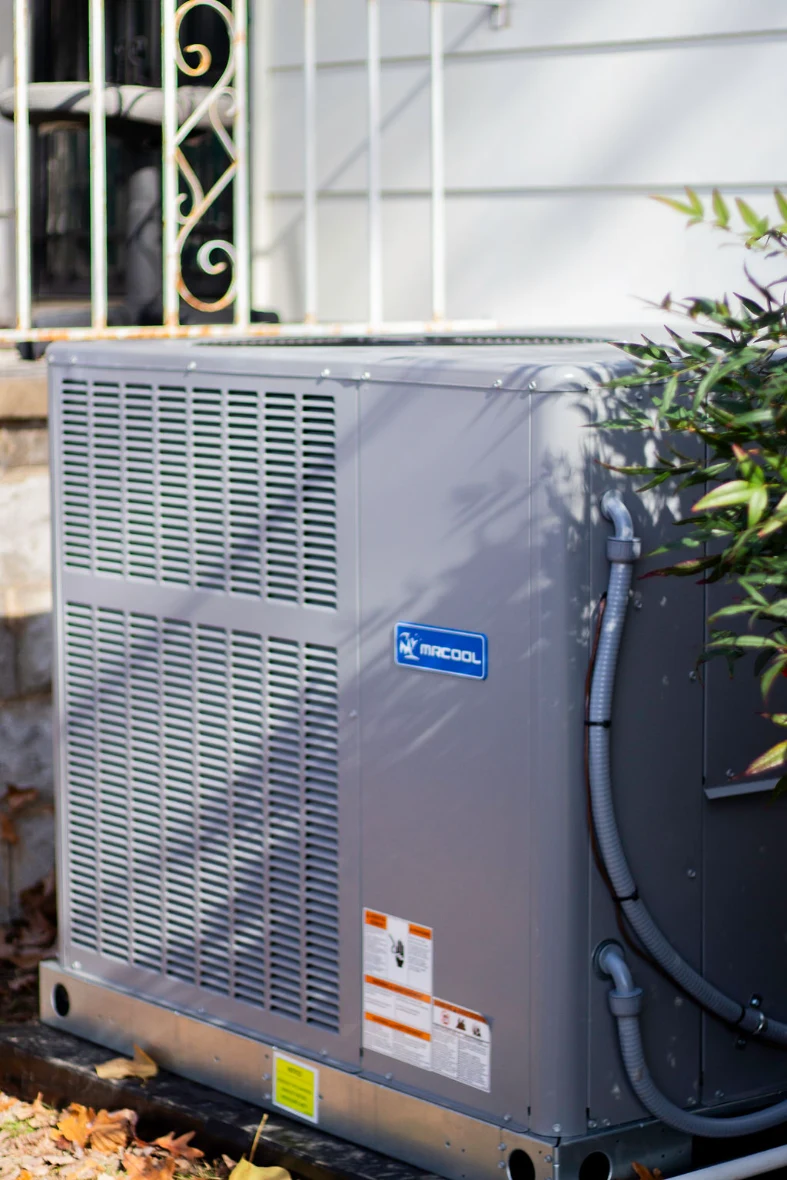
A heat pump is an air conditioner that can run in reverse. In summer it pulls heat out of your house; in winter it pulls heat out of the cold outdoor air and brings it inside. That's why one system can heat and cool, and why it has parts an AC-only system doesn't: a reversing valve to switch modes, defrost controls to melt winter frost off the outdoor coil, and usually auxiliary heat strips for the coldest snaps.
North Georgia winters are well within a properly sized, correctly charged heat pump's comfort range, and modern units handle the cold far better than old ones. Some homes pair a heat pump with a gas furnace for the coldest days. It depends on your home, your fuel options and your ductwork, so we look at the whole house before recommending either.
Our Process
How Anderson sizes and installs a heat pump
- Manual J load calculation. We calculate what your home actually needs in winter and summer (square footage, insulation, windows, orientation, air leakage, ceiling height) instead of defaulting to the same size as before.
- We measure the building. Most shops can't. We run a blower door to see how much outside air leaks in and a duct blaster to see how much conditioned air leaks out. That tells us whether the ducts need sealing or resizing before the new unit goes in.
- Right-sized, matched equipment. Outdoor unit and indoor unit chosen as a matched pair at their rated efficiency, no mismatched parts that quietly waste the efficiency you paid for.
- A real commissioning. Deep vacuum on the lines, refrigerant charged to the manufacturer's spec by measurement, duct static pressure and airflow checked, and the temperature split verified before we call it done. We also set the auxiliary heat so it kicks in only when truly needed.
A heat pump only delivers its rated efficiency if it's vacuumed properly and charged to spec. We bring full recovery gear, micron gauges and digital scales to every install, not just the basic gauge set most shops use.
Repair or Replace
When a new heat pump makes sense
We repair first and replace only when the numbers say so. A replacement is worth pricing when:
- A major part fails on an older system.
- Repairs keep coming back.
- The system uses R-22 refrigerant, which is no longer manufactured.
- It still can't keep up after repairs.
If none of those apply, start with heat pump repair in Calhoun. A heat pump that 'can't keep up' is almost always low on charge, starved by leaky or undersized ducts, or mis-sized: all measurable.
The Anderson Difference
Why we look at the house before the heat pump
Most companies just swap the box. We fix the house. Heat pumps only deliver full savings when paired with proper insulation and air sealing, so we look at insulation, air sealing, ductwork and equipment sizing together. In most homes, sealing air leaks and adding insulation first makes a new system work better, and it can mean a smaller, less expensive system.
Our in-house sheet metal shop and fabricators at 519 Pine Street create custom duct transitions, plenums and adapters, so your project doesn't wait on an outside shop.